Last spring a neighbor of mine in Tucson tore out her sprinklers after a $180 July water bill nearly knocked her over. She wanted to know one thing before she spent a dime on tubing: would drip actually pay for itself, or was she just trading one expense for another?
That is the right question to ask. So let me walk you through the real numbers, the way I would if we were standing in your yard with a coffee.
The short version is that a small backyard drip setup usually costs less than most people fear, and the water savings tend to cover the parts within a season or two. But the full drip irrigation cost picture has a few line items folks forget, so let us lay them all out.
Key takeaways
- A basic DIY drip system for a small garden runs roughly $60 to $200 in parts, plus a timer.
- Yearly upkeep is small: figure $15 to $40 for replacement emitters, goof plugs, and the odd length of tubing.
- Drip uses about 30 to 50 percent less water than spray, so many home gardeners recoup the upfront drip irrigation cost in one to two seasons.
- Bigger yards and professional installs cost more, but the payback logic is the same: less wasted water every single watering.
What you actually pay upfront
Let me start with the parts, because that is the number that scares people off. Drip components are cheap. The expensive-looking systems are mostly just more of the same small pieces.
Here is a typical shopping list for a raised-bed or small backyard garden, say 200 to 400 square feet.
| Item | What it does | Rough cost |
|---|---|---|
| Battery hose-end timer | Turns water on and off on schedule | $25 to $60 |
| Backflow preventer and filter | Keeps dirty water out of your supply, keeps grit out of emitters | $10 to $20 |
| Pressure regulator | Drops house pressure to a drip-safe 25 to 30 psi | $8 to $15 |
| 1/2 inch mainline tubing (100 ft) | The backbone that carries water to the beds | $20 to $35 |
| 1/4 inch tubing and emitters | Feeds individual plants at 0.5 to 2 gallons per hour | $15 to $40 |
| Fittings, stakes, goof plugs | Connectors, hold-downs, and patches for mistakes | $10 to $25 |
Add it up and a beginner kit lands somewhere between $90 and $195. Prebuilt kits sit in that same range and save you a trip, though you pay a small premium for the convenience.
That pressure regulator is not optional, by the way. Most homes push water at 40 to 60 psi, and drip parts are happiest around 25 to 30 psi. If you want to understand why that little part matters so much, my walkthrough on getting drip system water pressure right covers it in plain terms.
Quick tip
Buy one extra pack of emitters and a handful of goof plugs at the start. You will drill a hole in the wrong spot at least once. A goof plug (a tiny stopper) turns that mistake into a two-second fix instead of a leak you fight all season.
The costs people forget
Two line items sneak up on beginners. The first is the timer, which I listed above but folks often skip, thinking they will just turn the water on by hand. You will forget. I promise you will forget, and a forgotten drip line running overnight erases a chunk of your savings.
The second is tubing size mismatch. If you buy 1/2 inch fittings and 5/8 inch tubing, nothing seats right and you waste money on parts you return. Before you buy, it is worth a five-minute read on choosing the right drip tubing size so your fittings and tubing actually match.
Watch out
A mistake I see constantly: people oversize the emitters, thinking more water is better. A tomato on a 2 gallon-per-hour emitter for the same run time as a pepper on a 0.5 gph emitter gets four times the water. That is not savings, that is a soggy root ball and a higher bill.
Yearly upkeep is smaller than you think
Once the system is in, the running cost is almost nothing. Emitters clog now and then, especially with hard water. A stake breaks. A rabbit chews a 1/4 inch line (this happened to me twice last summer).
Budget $15 to $40 a year for replacements and you will usually have money left over. The tubing itself lasts five to ten years if you drain it before a hard freeze and keep it out of constant direct sun where you can.
Compare that to sprinkler heads at $8 to $15 each that crack when you run over them with a mower, and drip starts looking downright thrifty.
Now the savings: where drip earns its keep
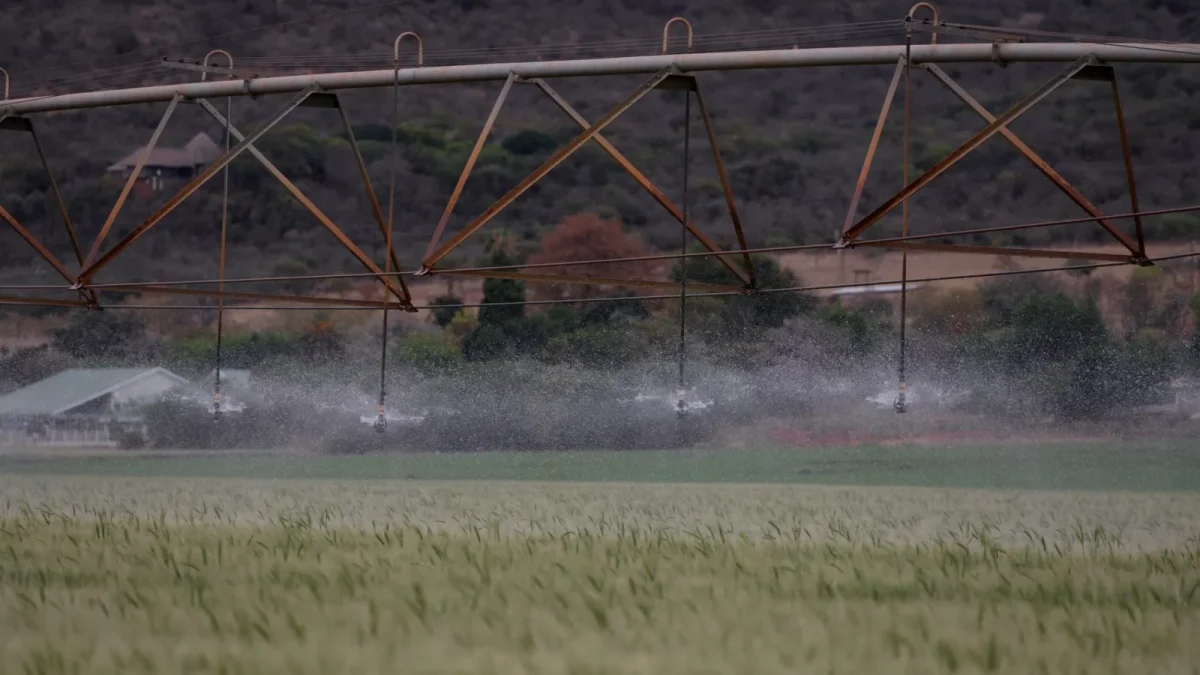
This is the fun part. Drip delivers water straight to the root zone, so almost none is lost to evaporation, wind drift, or runoff. Spray and sprinklers lose a lot to all three.
The EPA puts the difference plainly: switching from spray to drip can cut outdoor water use meaningfully, and drip runs at up to 90 percent efficiency versus 50 to 70 percent for many spray setups. You can read their overview at EPA WaterSense.
Let me put real numbers to it with a small scenario.
Say your garden beds use spray and you run through 1,000 gallons a week in the growing season. Switching to drip at even 40 percent less water saves 400 gallons a week. Over a 20-week season, that is 8,000 gallons.
At a typical residential rate of $4 to $8 per 1,000 gallons, that season saves you roughly $32 to $64. In a hot, long-season climate like mine, where the growing season stretches longer and rates climb into tiered pricing, the number often doubles.
Good to know
Your savings depend heavily on how much you were overwatering before. Most sprinkler users water too long out of habit. Drip forces you to think in gallons per hour, which alone trims waste before you count a single efficiency gain.
So does it pay for itself?
Here is the honest math for that small garden. Upfront parts: about $150. Season-one water savings: $35 to $65 in a mild climate, $70 to $130 in a hot one.
That puts your payback at one to two seasons for most home gardeners, and a single season if you live somewhere with a long season and pricey tiered water rates. After that, you are pocketing the savings every year while spending maybe $25 on upkeep.
- Small garden, mild climate: payback in about two seasons.
- Small garden, hot climate with tiered rates: payback in one season.
- Large yard or pro install ($400 to $1,500): payback in two to four seasons, but larger dollar savings each year after.
The one thing that wrecks the payback is guessing at how much water your plants need and overwatering anyway. Dialing in run times matters as much as the hardware, and my guide on figuring out plant water needs for drip shows you how to match emitter output to each plant so you are not paying to drown your basil.
Where to go from here
If the numbers make sense to you, start small. Do one bed, watch your next bill, and let the savings talk you into expanding. That is exactly how my neighbor did it, and her August bill came in $60 lower than July.
New to all of this and want the ground-floor walkthrough before you buy parts? My beginner’s guide to drip irrigation lays out how the whole system fits together so the shopping list above makes sense in your hands, not just on paper.
Frequently asked questions
How much does a basic drip irrigation system cost to install yourself?
For a small backyard garden of 200 to 400 square feet, plan on roughly $90 to $200 in parts, including a timer, pressure regulator, filter, tubing, and emitters. Prebuilt kits land in the same range and save you a shopping trip. The parts are cheap, so most of the cost difference comes down to how large an area you are covering.
How long does it take for drip irrigation to pay for itself?
Most home gardeners recoup the upfront cost in one to two growing seasons through lower water bills. In hot climates with long seasons and tiered water rates, a small system can pay for itself in a single season. Larger yards and professional installs take two to four seasons but save more dollars each year afterward.
How much water does drip irrigation actually save?
Drip typically uses 30 to 50 percent less water than spray or sprinklers because it delivers water straight to the roots with almost no evaporation or runoff. The EPA notes drip can run at up to 90 percent efficiency versus 50 to 70 percent for many spray systems. Your real savings also depend on how much you were overwatering before switching.
What are the ongoing yearly costs of a drip system?
Upkeep is small, usually $15 to $40 a year for replacement emitters, stakes, goof plugs, and the occasional length of tubing. Emitters clog now and then with hard water, and animals sometimes chew 1/4 inch lines. The mainline tubing itself lasts five to ten years if you drain it before a hard freeze.
Do I really need a pressure regulator and timer, or can I skip them to save money?
Skip neither if you want the system to last and to save water. A pressure regulator drops your home's 40 to 60 psi down to a drip-safe 25 to 30 psi, protecting the parts from blowing apart. A timer prevents forgotten lines from running overnight, which is the fastest way to erase your savings.
Is drip irrigation worth it for a small garden or just large yards?
It is worth it even for a single raised bed. Small systems have low upfront costs and still cut water use significantly, so the payback logic holds at any size. Starting with one bed is actually the smartest way to try it, since you can watch one water bill drop before deciding to expand.