Last spring a neighbor showed me her brand-new drip setup and asked why her tomatoes looked thirsty while her peppers were drowning. She had every plant on the same dripper, running the same minutes. The problem was not her timer. It was that she had never figured out how much water each plant actually wanted.
That is the piece almost everyone skips. Before you argue with a controller or count minutes, you need a target number: gallons per plant per week. Get that right and everything downstream gets easier.
Figuring out your drip irrigation water needs is really just a little arithmetic, and I promise it is friendlier than it sounds. Let me walk you through the same math I use on job sites here in Tucson.
Key takeaways
- Water needs are measured in gallons per plant per week, not minutes on a timer.
- A rough starting point: small plants want 1-2 gallons a week, shrubs 4-6, young trees 10-15.
- Match a dripper’s flow rate (gallons per hour) to each plant so you can size the whole system before scheduling.
Why gallons, not minutes, is the right starting point
A drip emitter (the little plastic piece that drips water at a plant’s base) is rated in gallons per hour, or GPH. Common sizes are 0.5, 1, and 2 GPH.
Minutes on a timer mean nothing until you know two things: how much water a plant needs, and how fast your emitter delivers it. Start with the plant, always.
This is also why I keep water needs and scheduling as two separate steps. Here we only figure out the target gallons. Turning gallons into run time on a controller is its own job for another day.
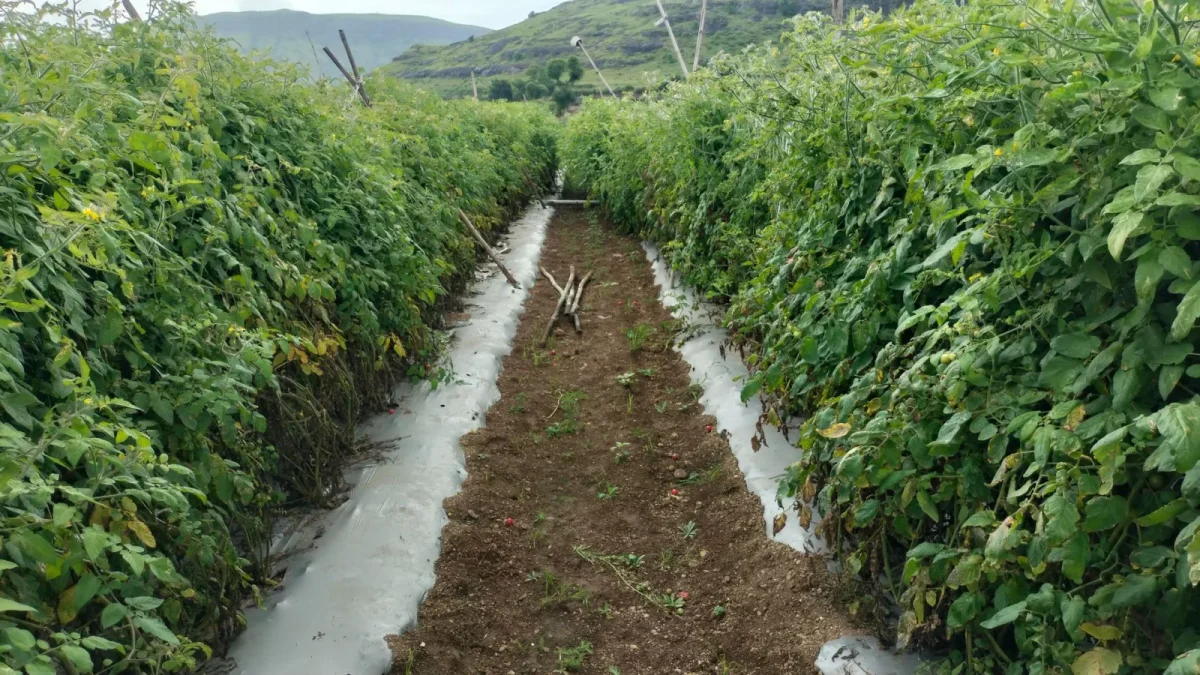
Step one: estimate gallons per plant per week
You do not need a soil lab. Plant size and type get you close enough to start, and you adjust from there.
Here are the rough weekly numbers I hand beginners as a baseline in warm, dry weather. In cooler or humid climates, shave these down.
| Plant type | Example | Gallons per week |
|---|---|---|
| Small annual or herb | Basil, lettuce, marigold | 1-2 |
| Large vegetable | Tomato, pepper, squash | 2-4 |
| Small shrub | Lavender, boxwood | 4-6 |
| Large shrub or rose | Hydrangea, rose bush | 6-10 |
| Young tree (first 2 years) | Citrus, fruit tree | 10-15 |
These are weekly totals, not per watering. If you water three times a week, you split the weekly number across those days.
Quick tip
New transplants of any size need extra water for the first 3-4 weeks while roots settle. I usually bump their baseline up by about half until they perk up.
Step two: match an emitter to each plant
Now pair every plant with a dripper flow rate. This is where the GPH rating earns its keep.
A quick example. Say you have a tomato that wants 3 gallons a week. If you put a 1 GPH emitter on it, that plant needs 3 hours of total run time per week to hit its number. Split across three waterings, that is one hour each.
Put a 2 GPH emitter on that same tomato and you only need 90 minutes total for the week. Same water, less run time.
Bigger plants often get more than one emitter. A young citrus tree that wants 12 gallons a week might run two 2 GPH drippers on opposite sides of the root ball, which spreads moisture more evenly and cuts run time in half.
Good to know
Emitters spaced around a plant water a wider root zone than a single dripper at the stem. For anything bigger than a small vegetable, two smaller emitters usually beat one large one.
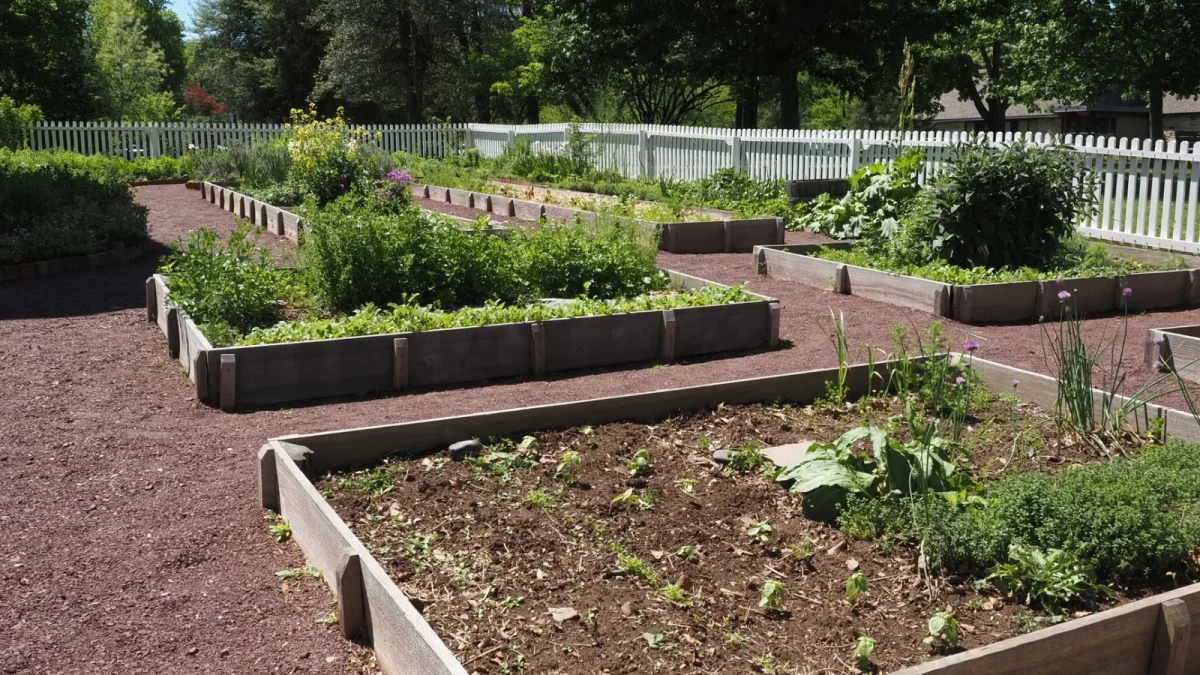
Step three: add up your system’s total demand
Once every plant has a weekly gallon target and an emitter, add the GPH of all your emitters together. That total tells you how much flow your system pulls at once, which matters for tubing and pressure.
Here is the checklist I run through before buying parts:
- List every plant and its weekly gallon target.
- Assign an emitter (or two) and note the GPH for each.
- Add all emitter GPH figures for your total flow.
- Check that total against what your tubing and water pressure can handle.
That last point trips people up. Standard 1/2 inch mainline tubing comfortably carries roughly 200 gallons per hour, and thin 1/4 inch tubing handles far less, closer to 30 GPH. If your emitters add up past what the tubing can feed, plants at the far end starve.
If you are still deciding on tubing, my walkthrough on choosing the right drip tubing size breaks down what each diameter can actually carry. And because flow and pressure go hand in hand, it helps to understand how water pressure works in a drip system before you commit to a lot of emitters. Most drip parts want 10-15 psi to run correctly, which is much lower than typical house pressure of 40-60 psi.
Watch out
A mistake I see constantly: folks load 40 or 50 emitters onto a single 1/4 inch line to save on parts. The line simply cannot deliver that much water, so the last plants get a sad trickle. Do the flow math before you buy.
A quick real-world example
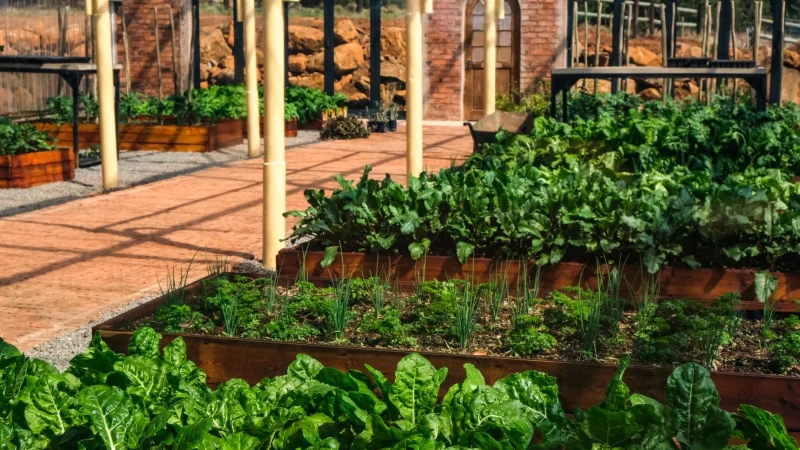
Picture a small raised bed: four tomatoes, six basil plants, and two pepper plants.
The tomatoes want about 3 gallons each per week, so 12 gallons. The peppers want 3 each, another 6. The basil, at roughly 1.5 gallons apiece, adds 9. That is 27 gallons a week for the whole bed.
Put 1 GPH emitters on the basil and 2 GPH on the tomatoes and peppers, and your combined flow is about 18 GPH. A 1/2 inch line handles that with room to spare. Now you know the bed is properly sized before a single minute gets programmed.
When I first tried sizing a system this way years ago, I was amazed how much guesswork disappeared. The numbers do the arguing for you.
Adjusting for real life
These baselines are a starting line, not gospel. Hot spells, sandy soil, and full sun all push water needs up. Clay soil, shade, and cool weather pull them down.
The best feedback is the plant and the dirt. Check soil moisture a couple of inches down a day after watering. Soggy means dial back; bone dry means add gallons.
Grouping plants with similar needs on the same line makes all of this simpler, which is exactly why smart planning of your drip layout pays off before you lay any tubing. The EPA WaterSense program is a solid reference if you want to double-check regional watering guidance, and many university extension services publish local plant water charts. My go-to for the desert Southwest is the University of Arizona Cooperative Extension.
Where to go from here
You now have the one number that makes everything else fall into place: gallons per plant per week, then emitters to match. Sizing a system stops being a mystery once you trust that math.
From here, get comfortable with the fundamentals in our beginner’s guide to drip irrigation, then use your gallon targets to set actual run times on your timer. The plants will tell you if you nailed it, and small tweaks are easy once your drip irrigation water needs are written down instead of guessed at.
Frequently asked questions
How many gallons of water does one tomato plant need per week?
A mature tomato in warm, dry weather typically wants 2-4 gallons per week. In cooler or humid climates, aim for the low end. Young transplants need a bit more for the first few weeks while their roots establish, so bump the number up by about half until they take off.
What is GPH and why does it matter for drip irrigation?
GPH stands for gallons per hour, the flow rate stamped on every drip emitter. Common sizes are 0.5, 1, and 2 GPH. It matters because your plant's weekly gallon target divided by the emitter's GPH tells you how long the system needs to run, which is the whole point of sizing before scheduling.
Can I put every plant on the same size emitter?
You can, but you usually should not. Plants with different water needs on identical emitters will get overwatered or underwatered unless you fuss with separate zones. It is easier to match each plant to an emitter size, or group plants with similar needs on the same line so they share a schedule.
How do I figure out my system's total water demand?
List every emitter, note its GPH rating, and add all those numbers together. That sum is how much flow your system pulls at once. Compare it against what your tubing and water pressure can deliver so plants at the far end still get their share.
How much water can 1/4 inch and 1/2 inch tubing carry?
Thin 1/4 inch tubing carries roughly 30 gallons per hour, so it is best for short runs feeding a handful of plants. Standard 1/2 inch mainline tubing handles around 200 gallons per hour, which is plenty for most home beds. If your emitter total passes what the line can carry, the last plants starve.
Do I need to change my gallon estimates for different soil or weather?
Yes. The baseline numbers assume warm, dry conditions and average soil. Sandy soil and hot, sunny spells push needs higher, while clay soil, shade, and cool weather lower them. Check soil moisture a couple of inches down the day after watering and adjust up or down from there.