Last spring a neighbor called me over to look at her tomato bed. She had bought a big kit online, run one long line of skinny tubing to every plant, and could not figure out why the plants at the far end looked thirsty while the ones near the faucet were drowning. The culprit was not her timer or her soil. It was tubing that was too narrow to carry water that far.
Picking the right drip tubing size is one of those small decisions that quietly makes or breaks a whole system. Get it right and water arrives evenly, plant after plant. Get it wrong and you spend a season chasing dry spots.
This guide walks through the two families of tubing you will actually use, what each drip tubing size can handle, and how to match a size to the scale of your garden before you buy a single fitting.
Key takeaways
- Mainline tubing (1/2 inch or 3/4 inch) carries the bulk of your water, while micro tubing (1/4 inch) delivers it to individual plants.
- A 1/2 inch line comfortably feeds most home gardens up to about 200 feet of total run.
- Match the drip tubing size to your garden scale first, then choose emitters, not the other way around.
- Never run 1/4 inch tubing more than about 15-30 feet, or the last plants go thirsty.
Two kinds of tubing, two different jobs
Almost every drip system uses two sizes working together. The first is mainline tubing, sometimes called supply or lateral tubing. This is the backbone that carries water from your faucet or valve out into the garden.
The second is micro tubing, the thin 1/4 inch stuff (also called distribution or spaghetti tubing). It taps off the mainline to reach a single pot, shrub, or short row of seedlings.
Think of it like the plumbing in a house. The mainline is the pipe in the wall. The micro tubing is the little flex line under the sink that feeds one fixture. If you want the full picture of how these parts fit together, my overview of the core parts of a drip system lays each one out.
Good to know
Tubing is measured a little loosely in the drip world. A “1/2 inch” line from one brand can have a slightly different outside diameter than another brand’s, which is why fittings are not always interchangeable. Buy your tubing and fittings from the same product family when you can.
Mainline sizes and what each one carries
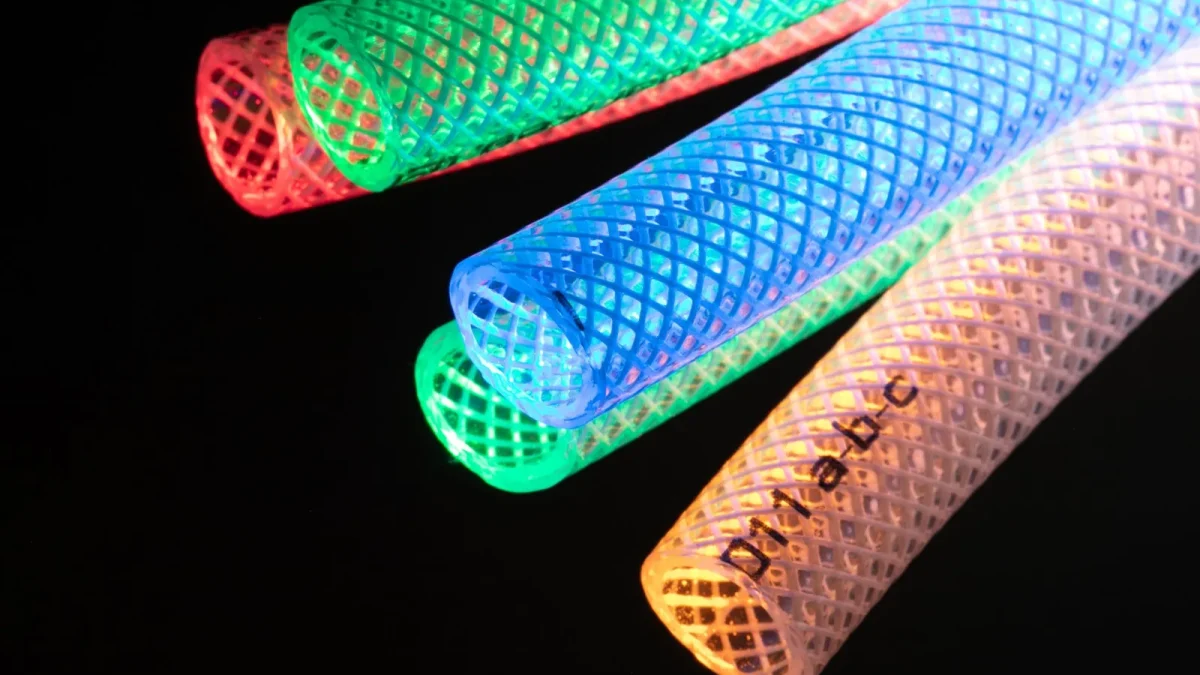
Mainline tubing usually comes in three diameters. The right one depends on how much water you need to move and how far it has to travel.
1/2 inch mainline is the workhorse of home gardens. It typically flows around 200-240 gallons per hour and handles runs up to roughly 200 feet. For a raised bed, a border, or a modest vegetable patch, this is almost always the size you want.
3/4 inch mainline moves more water, often 400-480 gallons per hour, and suits larger yards or long orchard rows. I reach for it when a property has several zones branching off one supply.
1 inch mainline is really for big properties, small farms, or long commercial beds. Most backyard gardeners never need it.
| Tubing size | Typical flow | Best for | Max run (rough) |
|---|---|---|---|
| 1/4 inch micro | Up to ~30 GPH | Single plants, pots, short spurs | 15-30 feet |
| 1/2 inch mainline | 200-240 GPH | Beds, borders, home veggie gardens | ~200 feet |
| 3/4 inch mainline | 400-480 GPH | Large yards, long orchard rows | ~480 feet |
| 1 inch mainline | 600+ GPH | Small farms, commercial beds | ~600 feet |
Those flow numbers assume normal household pressure, usually somewhere around 25-40 psi (pounds per square inch, a measure of water pressure) at the tap, stepped down to about 15-25 psi for the drip line. Most kits include a pressure regulator to do that for you, and it matters more than people expect. To see where pressure fits in the sequence, my walkthrough of how a drip system moves water step by step is a good companion.
Where micro tubing shines, and where it fails
The 1/4 inch line is wonderful for the last little stretch. Run it off a barbed connector in your mainline, snake it over to a pepper plant or a hanging basket, and cap it with an emitter or a tiny dripper.
Here is the trap, though. That thin tubing has real limits.
Watch out
A mistake I see constantly is people building an entire garden out of 1/4 inch tubing to save a few dollars. It cannot carry water far. Past about 15-30 feet, friction eats up the pressure and the far emitters barely drip. That was exactly my neighbor’s tomato problem.
Use micro tubing as a spur, not a spine. A good rule of thumb: no more than four or five emitters on a single 1/4 inch run, and keep that run short.
Matching a size to your garden scale
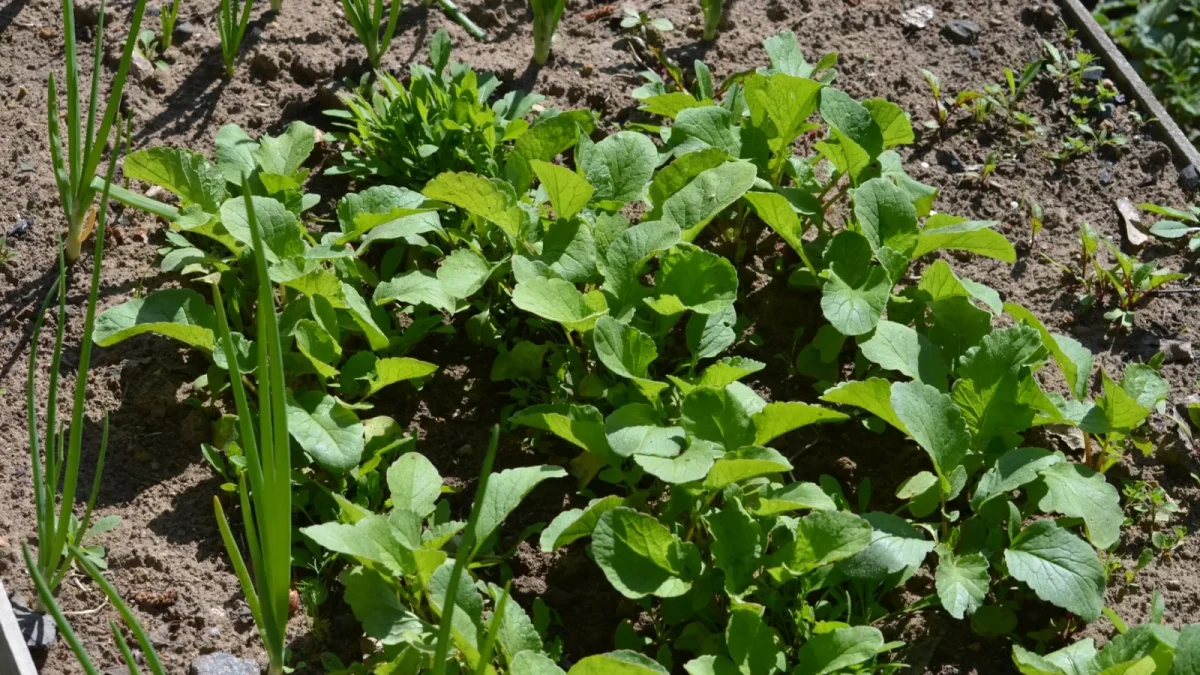
Let me make this concrete with the kind of jobs I see most often.
A few containers on a patio. You can often skip the mainline entirely and run 1/4 inch tubing from a small faucet manifold to each pot. Cheap, fast, and fine for six or eight containers within about 15 feet.
One or two raised beds. Run a 1/2 inch mainline down the center or around the perimeter, then add short 1/4 inch spurs (or inline emitter tubing) to each plant. This is the sweet spot for most beginners.
A full backyard vegetable garden with several beds. A 1/2 inch mainline still works if your total run stays under about 200 feet. Loop it or split it into zones so no single stretch gets too long.
An orchard, a big perennial border, or a large lot. Step up to 3/4 inch mainline so pressure holds all the way out to the last tree.
Quick tip
Before you buy, walk your garden with a tape measure and add up your longest single run of tubing. If that number creeps past 150 feet, lean toward the larger mainline size or plan a second zone. It is far cheaper to size up now than to re-plumb in July.
A quick sizing checklist
Run through these five things before you order:
- Measure your longest continuous tubing run in feet.
- Count how many emitters or plants that run will feed.
- Add up the total gallons per hour (emitters are usually rated 0.5, 1, or 2 GPH each).
- Pick a mainline size whose flow comfortably exceeds that total.
- Reserve 1/4 inch tubing for short spurs to individual plants only.
If the planning side feels fuzzy, working through how to lay out a drip system on paper first will save you a lot of guesswork at the hardware store.
Where to go from here
Sizing tubing is not complicated once you separate the two jobs: a fat line to carry water, a thin line to deliver it. Pick the mainline for your garden’s scale, keep the micro runs short, and let the pressure regulator do its quiet work.
If you are still getting your bearings with the whole system, start with the beginner’s foundation for drip irrigation and build up from there. For water-use guidance and product standards, the EPA WaterSense program and your local University of Arizona Cooperative Extension are both solid, non-salesy places to check your numbers.
Frequently asked questions
What is the difference between 1/2 inch and 1/4 inch drip tubing?
The 1/2 inch tubing is your mainline, the backbone that carries water from the faucet out into the garden. The 1/4 inch tubing is micro tubing that taps off the mainline and runs the last short stretch to a single plant. Use the thick line to carry water and the thin line to deliver it.
How long can a 1/4 inch drip line run before it loses pressure?
Keep 1/4 inch runs to about 15-30 feet at most. Past that distance, friction inside the narrow tubing eats up pressure and the far emitters barely drip. If you need to reach farther, run 1/2 inch mainline out to the area first, then branch off with short micro spurs.
What drip tubing size do I need for a raised bed?
For one or two raised beds, a 1/2 inch mainline is almost always the right choice. Run it down the center or around the perimeter, then add short 1/4 inch spurs or inline emitter tubing to each plant. That setup covers the vast majority of home beds with room to spare.
When should I use 3/4 inch tubing instead of 1/2 inch?
Step up to 3/4 inch mainline when your total run gets long, roughly past 200 feet, or when you are feeding several zones off one supply. Orchards, large perennial borders, and big lots benefit most. The wider diameter keeps pressure steady all the way to the last plant.
Can I build a whole drip system out of just 1/4 inch tubing?
You can for a very small setup, like six or eight pots on a patio within about 15 feet. Beyond that it fails, because 1/4 inch tubing cannot carry water far without losing pressure. For anything larger, use 1/2 inch mainline as the spine and save the micro tubing for short spurs.
How do I know if my tubing is too small for my garden?
Watch for uneven watering, where plants near the faucet get plenty while distant ones stay dry. That gap usually means the run is too long for the tubing diameter. Measure your longest continuous run and compare it to the max run figures for each size, then size up or split into zones if needed.