A customer in Tucson once told me she would love a drip system, but she lived in Ohio and figured drip was “a desert thing.” I laughed, kindly, because I hear it constantly. Her tomatoes were struggling in clay soil and daily rain, and drip would have fixed half her problems.
That conversation is why I wanted to write this. So many beginners talk themselves out of a system that would save them water, time, and dead plants, all because of a handful of stubborn drip irrigation myths. Let me walk you through the ones I run into most, and tell you what really happens on the ground.
Key takeaways
- Drip works in every climate, not just deserts, and it uses far less water than a sprinkler.
- A basic home system is simple enough to install in an afternoon with hand tools.
- Low water pressure is normal for drip and is usually a feature, not a fault.
- Clogging and “it only works for a season” fears come from skipping a filter and basic upkeep.
Myth 1: Drip irrigation is only for deserts
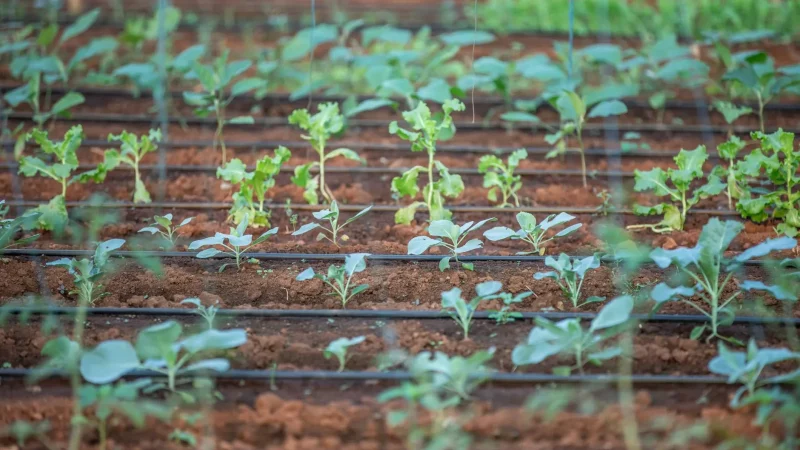
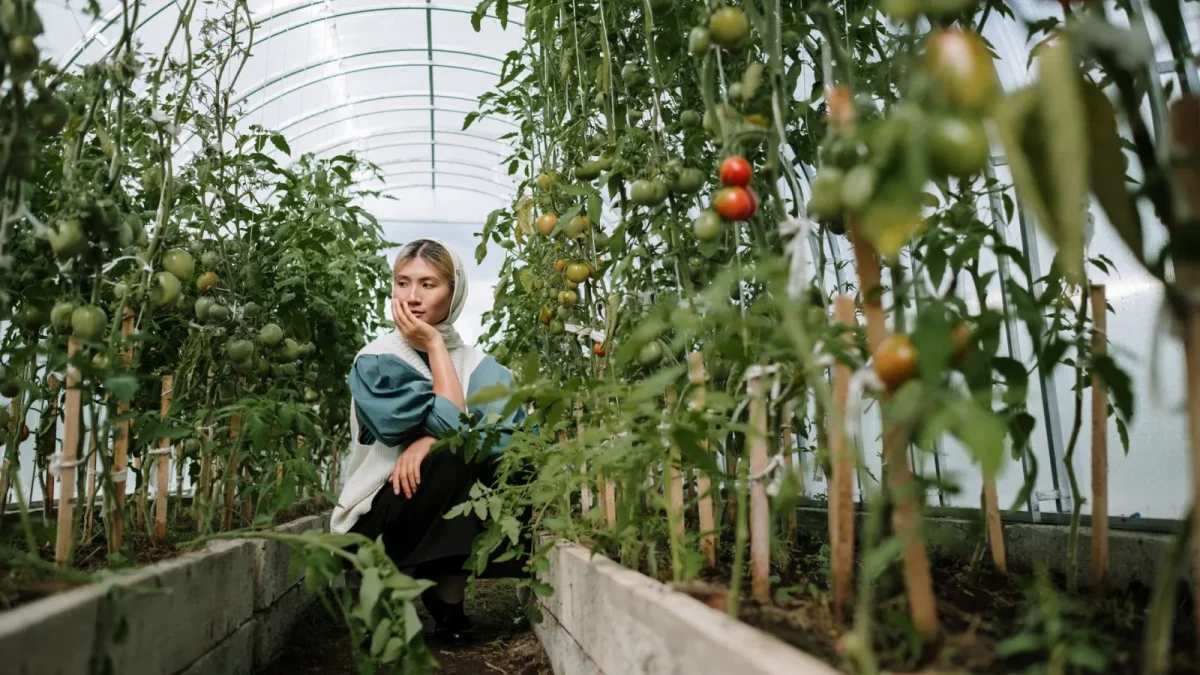
This is the big one, and it is completely backward. Drip just means delivering water slowly and directly to the root zone through tubing and small emitters (the little parts that release water, usually rated in gallons per hour). Roots do not care whether you live in Arizona or Michigan.
Humid climates benefit in a different way. Keeping water off the leaves cuts down on fungal diseases like blight and powdery mildew, which love wet foliage. My Ohio customer’s tomatoes were getting splashed every time it rained on the overhead sprinkler run.
Vegetable gardens, flower beds, foundation shrubs, potted patio plants: all of these do well on drip anywhere in the country. The desert reputation just comes from arid regions adopting it first out of necessity.
Myth 2: Installing drip is too complicated
I understand where this fear comes from. You look at a wall of fittings at the hardware store and freeze. But a starter system is genuinely one of the friendliest home projects there is.
A typical layout is one 1/2 inch mainline tube that carries water from your faucet, with thinner 1/4 inch tubing branching off to individual plants. Most connections push together by hand or need only a hole punch. No glue, no threading pipe, no special skills.
Quick tip
Buy a small kit for your first bed rather than loose parts. A basic kit for a 4 foot by 8 foot raised bed runs about 30 to 50 dollars and comes with the right fittings already matched, so you skip the guesswork.
If you want a gentle starting point, our beginner’s guide to drip irrigation lays out the whole parts list in order. When I first taught my neighbor to install a bed, she finished in about 90 minutes and only called me once, to ask which end of the punch tool to use.
Myth 3: Low water pressure means the system is broken
New users panic when they feel how gently drip water comes out. A garden hose blasts at 40 to 60 psi (pounds per square inch, the measure of water force). Most drip systems want something much lower, often 15 to 30 psi.
That is why a pressure regulator is a standard part. It steps your house pressure down to a level the tubing and emitters are designed for. Too much pressure is what actually breaks things: fittings pop off, tubing splits, emitters blow apart.
So the slow trickle is the point. The water has time to soak straight down to the roots instead of running off the surface. If you want to understand the numbers before you buy, our overview of water pressure for drip systems explains what regulator to pick.
Watch out
A mistake I see constantly is skipping the pressure regulator to save ten dollars. Running full house pressure into 1/4 inch tubing will eventually split a line, usually while you are away for the weekend. Always install one right after the faucet.
Myth 4: Drip and sprinklers water the same, so why bother
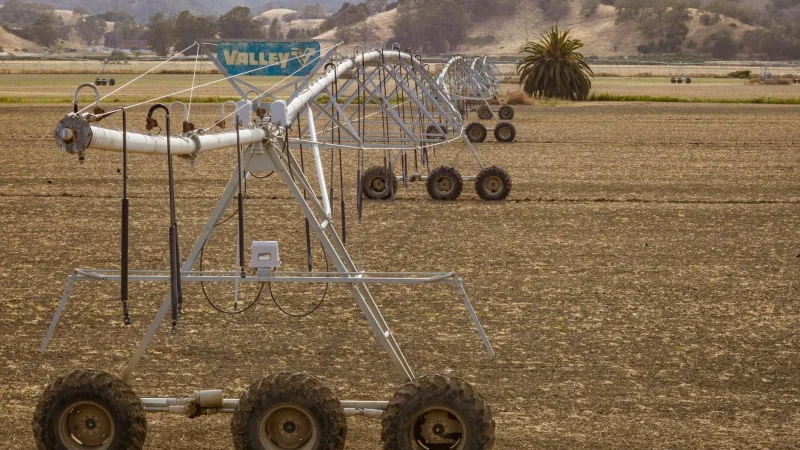
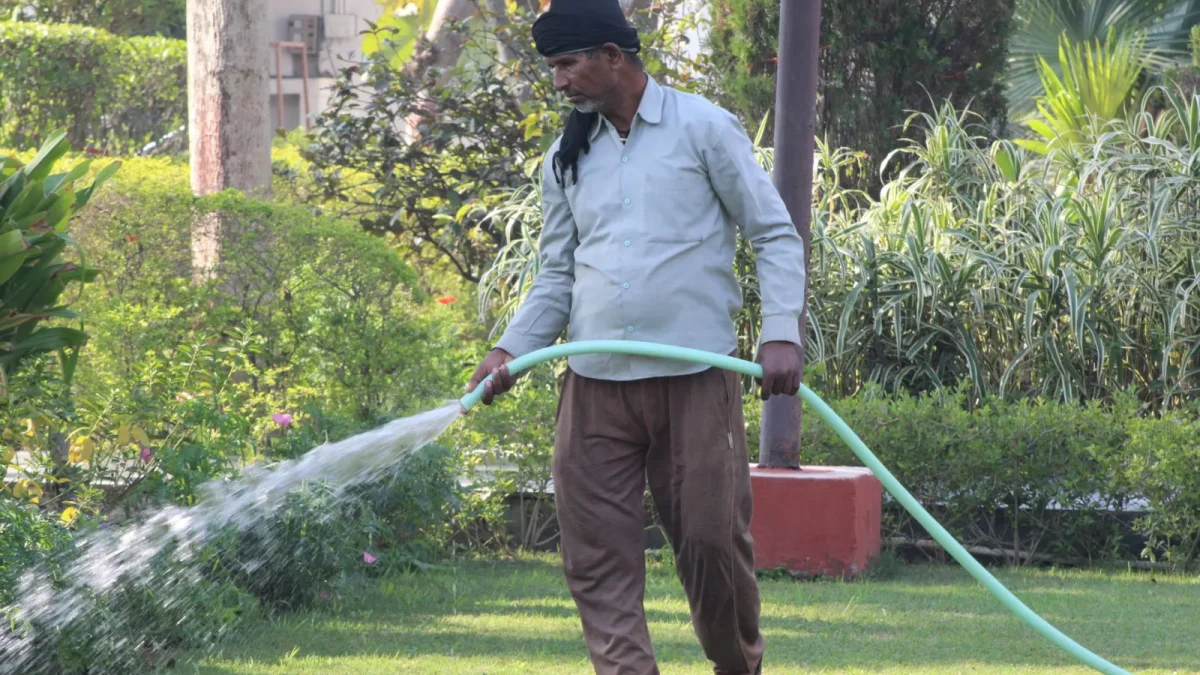
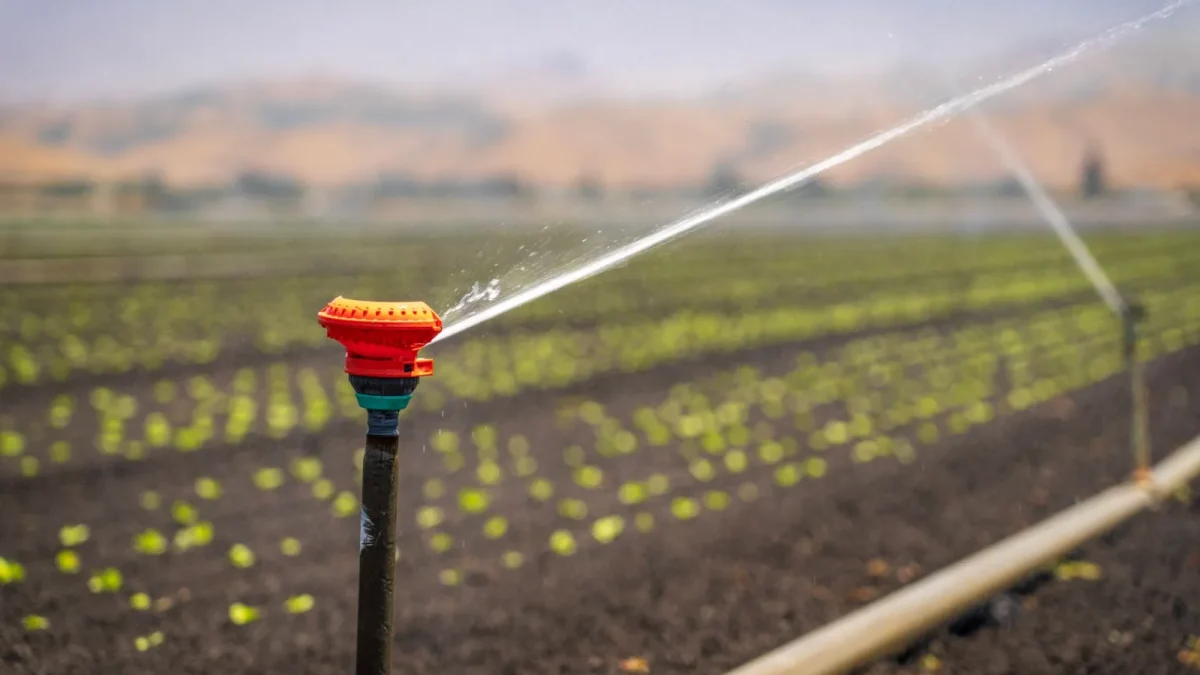
They really do not perform the same. A sprinkler throws water into the air, where wind and evaporation steal a good chunk before it lands, and it soaks everything including your paths and weeds.
Drip puts water only where roots are, at a slow rate the soil can absorb. Here is a rough comparison I share with folks trying to decide.
| Factor | Sprinkler | Drip irrigation |
|---|---|---|
| Water lost to evaporation | High, often 30 percent or more | Low, water goes to the soil |
| Weed growth | Encourages it everywhere | Limited to watered spots |
| Wet leaves and disease | Common | Rare |
| Typical flow | Gallons per minute | Gallons per hour |
The EPA notes that efficient systems like drip can noticeably cut outdoor water use, which is most of a summer water bill in a lot of households. You can read their outdoor water guidance from EPA WaterSense.
Myth 5: The emitters will just clog and quit
Clogging is real, but it is not fate. Nearly every clog I get called about traces back to one skipped part: a filter. Municipal water and especially well water carry fine grit that settles inside emitters over time.
A simple mesh filter at the faucet catches that debris. Pair it with a quick flush of the lines a couple of times a season, and clogging mostly disappears. I have systems in the field that have run clean for eight years on that routine.
Good to know
Pressure-compensating emitters cost a little more but resist clogging and deliver an even flow across a long run. For a bed longer than about 20 feet, they are worth it.
Choosing the right tubing diameter also matters for steady flow, and our breakdown of common drip tubing sizes helps you match tube to the length of your run.
Myth 6: It only lasts one season
Good quality drip tubing is rated for years of outdoor use, and UV resistant tubing shrugs off sun exposure. The systems that fail early are usually the cheapest big-box tubing left fully exposed in brutal sun with no maintenance at all.
A little care stretches the life a long way. Here is the short seasonal routine I give every new customer.
- Flush the mainline by opening the end cap for 30 seconds at startup each spring.
- Rinse the filter screen once a month during the watering season.
- Walk the beds every few weeks and clear any emitter that looks dry.
- Drain and store the timer before a hard freeze.
Do that and a system easily lasts five to ten years. Planning the layout well from the start also prevents strain on the tubing, which is why I point beginners to our notes on planning a drip irrigation layout before they cut a single length of tube.
A quick real-world scenario
Picture a beginner with six tomato plants, four peppers, and a row of basil in a raised bed. She worries drip is overkill and complicated. In practice she runs one 1/2 inch line down the middle, punches in ten 1 gallon per hour emitters, adds a filter and regulator, and sets a timer for 30 minutes every morning.
Total cost, around 45 dollars. Total install time, one afternoon. Her plants get an even, deep drink at dawn, the leaves stay dry, and she stops dragging a hose around in July heat.
Where to go from here
Most of these drip irrigation myths melt away the moment you install one small bed and watch it work. Start with a single garden bed or a few pots, use a filter and a pressure regulator, and give yourself an easy win.
Once you see how little water it takes and how happy the roots are, you will want to convert the rest of the yard. That is the usual story around here, and it is a good one.
Frequently asked questions
Does drip irrigation work in rainy or humid climates?
Yes, and it often works better there in one way. Keeping water off the leaves reduces fungal diseases like blight that thrive on wet foliage. Drip delivers water to the roots regardless of your climate, so gardens in Ohio benefit just as much as gardens in Arizona.
Do I really need a pressure regulator for a small home system?
Yes. Household water runs at 40 to 60 psi, while most drip tubing is designed for about 15 to 30 psi. Without a regulator, the higher pressure will eventually split tubing or blow emitters off the line. A basic regulator costs around ten dollars and installs at the faucet in seconds.
How do I stop drip emitters from clogging?
Install a mesh filter at the faucet to catch grit before it reaches the emitters. Flush the mainline by opening the end cap for about 30 seconds a couple of times each season. Pressure-compensating emitters also resist clogging, which helps on longer runs.
Is drip irrigation hard to install for a total beginner?
Not at all. A starter system uses push-together fittings and a hole punch, with no glue or pipe threading. Most people finish a single raised bed in one to two hours. Buying a matched kit for your first bed removes almost all the guesswork.
How much water does drip actually save compared to a sprinkler?
Drip cuts the water lost to evaporation and runoff, since it applies water slowly right at the roots instead of spraying it into the air. Outdoor watering is a large share of summer bills, so the savings add up quickly. Efficient systems can reduce outdoor use meaningfully over a season.
How long will a drip system last?
Quality UV resistant tubing lasts five to ten years with light maintenance. Flush the lines each spring, rinse the filter monthly during the season, and drain the timer before a hard freeze. The systems that fail early are usually cheap tubing left in full sun with no upkeep.