Last summer a neighbor knocked on my door holding a bell pepper with a long crack down one side, like the fruit had burst its own skin. Her plants looked healthy, green, loaded with flowers. But half the peppers were splitting and the other half of the blossoms were dropping off before they set fruit.
I asked one question: how often do you water? Her answer told me everything. A deep soak on Saturday, nothing until the next Saturday, and a heat wave in between.
That swing is the whole problem. Peppers are picky about steadiness, and drip watering peppers well is less about volume and more about rhythm. Get the timing consistent and most of those cracked, dropped-fruit issues quietly disappear.
Key takeaways
- Peppers want even, consistent moisture. Big wet-then-dry swings cause blossom drop and split fruit.
- Short, frequent drip cycles beat one long weekly soak, especially in heat.
- Aim to keep the top 6-8 inches of soil evenly damp, never soggy and never bone dry.
- A cheap timer and 1 gallon per hour emitters make consistency almost automatic.
Why peppers crack and drop fruit
Blossom drop happens when a pepper plant gets stressed and decides it cannot support the flowers it made. Heat is one trigger. Uneven water is another big one, and it is the one you control.
Split fruit is the flip side. When soil goes dry and then suddenly floods, the pepper drinks fast, the inside swells quicker than the skin can stretch, and it cracks. Same plant, same week, two different symptoms from one root cause: inconsistency.
Drip irrigation fixes this because it delivers small amounts slowly, right at the base of the plant. You are not dumping a week of water in ten minutes. You are feeding a little, often, so the soil never spikes or crashes.
Good to know
Consistency matters more to peppers than to most vegetables. If you only automate one crop in your garden, make it your peppers. They notice the difference faster than tomatoes do.
How much water peppers actually need
A mature pepper plant in warm weather wants roughly 1 to 2 inches of water per week, spread out, not delivered all at once. In cooler spring weeks it is closer to the low end. In a Tucson July, where I garden, it climbs past the high end.
Here is the part beginners miss. That total should arrive in several small sessions, not one. Think of it as many small drinks instead of one giant gulp.
For emitters, I like 1 gallon per hour (gph) drippers, one per small plant and two per large bushy plant. A gph rating just means the emitter releases that many gallons if it runs for a full hour. Run a set of 1 gph emitters for 20 minutes and each plant gets about a third of a gallon.
| Weather | Cycle length (1 gph emitters) | Frequency |
|---|---|---|
| Mild spring (60-75 F) | 15-20 minutes | Every 2-3 days |
| Warm summer (80-90 F) | 20-30 minutes | Once a day |
| Hot and dry (95 F+) | 20-30 minutes | Twice a day (morning and late afternoon) |
| Rainy stretch | Pause the system | Check soil first |
These are starting points, not gospel. Soil type shifts everything, which I will get to next.
Reading your soil, not the calendar
Sandy soil drains fast and needs shorter, more frequent cycles. Clay holds water and needs longer gaps or it stays soggy and roots suffocate. Your finger is the best sensor you own.
Push a finger 2 inches into the soil near the base of a plant. If it comes out dry and dusty, you are behind. If it comes out muddy, you are overdoing it. Damp like a wrung-out sponge is the target.
Quick tip
Water in the early morning, ideally before 8 a.m. The plant drinks before the heat peaks, less water evaporates, and leaves that stay dry resist fungal problems. A second short cycle at 4 or 5 p.m. helps only during real heat waves.
If you want the fuller reasoning on how different vegetables trade off frequency and depth, our overview of a drip watering schedule by plant type lays out the pattern crop by crop.
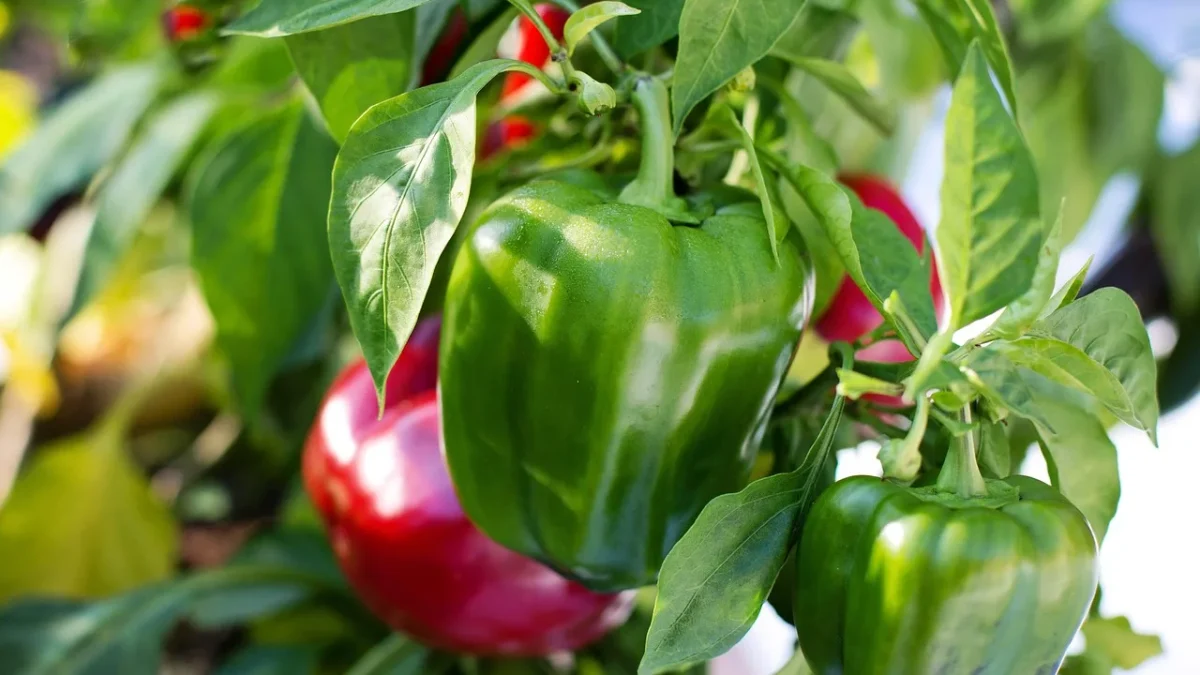
Setting up a consistent drip cycle
You do not need a fancy system. A hose-thread battery timer, a length of 1/2 inch mainline tubing (the thicker supply line that carries water down the row), and 1/4 inch micro tubing to reach each plant will run a pepper bed for under 40 dollars.
- Connect the timer to your spigot. Most home spigots deliver plenty of pressure, and pepper drip lines run happily at 10-25 psi (pounds per square inch, a measure of water pressure).
- Run 1/2 inch mainline down the pepper row and cap the end.
- Punch in a 1/4 inch line to each plant and add a 1 gph emitter at the base, about 2 inches from the stem.
- Add a pressure regulator if your home pressure runs high (over 40 psi). It keeps emitters from popping off the line.
- Set the timer to short, frequent cycles from the table above.
A mistake I see constantly: people set one long weekly cycle because it feels efficient, then wonder why fruit splits. The timer is there so you can water little and often without babysitting it. Let it do that job.
Watch out
After you set a schedule, dig down a few inches an hour after a cycle and check how deep the water reached. If it is wet only in the top inch, your cycle is too short. If it is soggy 8 inches down, back off. Adjust once, then trust it.
A quick real-world scenario
Say you have four bell pepper plants in loamy soil, mid-July, daytime highs near 92 F. Each plant has one 1 gph emitter.
I would set two cycles a day: 25 minutes at 6 a.m. and 20 minutes at 5 p.m. That is roughly 0.75 gallon per plant per day, split into two calm drinks. Check the soil with a finger every few days for the first week and nudge the times up or down.
Within a week the blossom drop usually settles and new fruit sizes up without cracking. The plant stops guessing whether water is coming and just grows.
Mulch is half the battle
Even the best drip schedule fights a losing battle against bare, baking soil. A 2 inch layer of straw or shredded leaf mulch over the drip line slows evaporation and buffers the temperature swings that stress peppers.
Mulch keeps that top layer damp between cycles, which is exactly the evenness peppers crave. It also means you can often water slightly less, which saves money and water.
Quick tip
Keep mulch pulled back about an inch from the stem itself. Piling it against the stem traps moisture there and invites rot. You want mulch over the roots, not hugging the trunk.
How peppers compare to their garden neighbors
Peppers sit in an interesting middle spot. They are thirstier and fussier than leafy crops but a touch less demanding than fruiting vines.
If you grow tomatoes nearby, note that they tolerate deeper, less frequent watering than peppers do, so do not just copy your tomato timer. Our guide to watering tomatoes with drip irrigation explains why their deeper roots change the math.
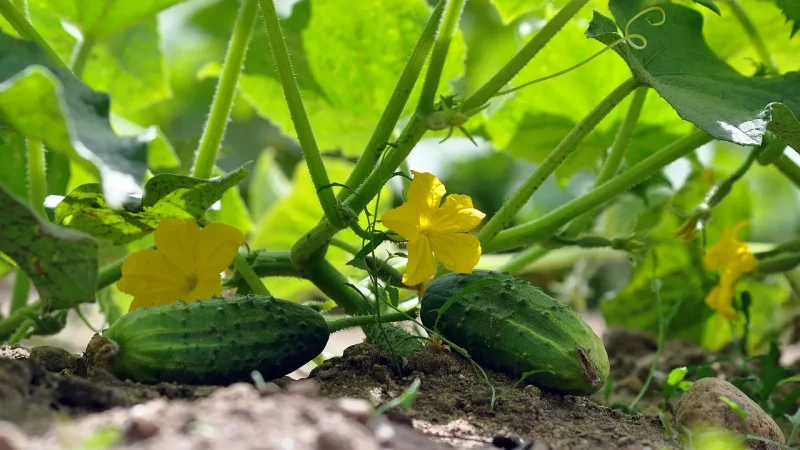
Leafy crops are the opposite direction: shallow roots, gentle frequent sips. If greens share a bed, the pointers in watering leafy greens with drip pair well with a pepper schedule. And if you run sprawling vines, the approach in our drip setup for cucumbers and squash shows how high-volume plants differ from steady, moderate pepper needs.
Where to go from here
Start simple. Put your peppers on short, frequent cycles, mulch the bed, and check the soil with your finger for the first week until the timing feels right for your dirt and your climate.
For the science on plant water needs and efficient irrigation, the University of Minnesota Extension and the EPA WaterSense program are both solid, no-nonsense references.
Steady beats heavy every time with peppers. Once your cycles are dialed in, the plants stop dropping flowers, the fruit stops splitting, and you get to spend the summer picking peppers instead of troubleshooting them.
Frequently asked questions
Why do my pepper flowers keep falling off even though I water regularly?
Blossom drop is usually caused by stress from heat, uneven moisture, or both. If your watering swings between soggy and bone dry, the plant sheds flowers it cannot support. Switch to short, frequent drip cycles so the soil stays evenly damp, and the drop rate usually falls within a week or two.
How often should I run drip irrigation for peppers in hot weather?
In temperatures around 90 F and up, water once or twice a day in short cycles, such as 20-30 minutes with 1 gallon per hour emitters. Two shorter sessions, one early morning and one late afternoon, keep the soil steadier than a single long soak. Always check the soil with your finger and adjust to your soil type.
What causes my peppers to split, and can watering fix it?
Splitting happens when dry soil suddenly gets flooded and the fruit swells faster than its skin can stretch. Consistent drip watering prevents this by keeping moisture level, so the fruit grows at an even pace. Adding a 2 inch layer of mulch over the drip line helps buffer the swings even more.
How many emitters does each pepper plant need?
One 1 gallon per hour emitter works for a small or young plant. For a large, bushy mature plant, use two emitters placed on opposite sides of the base to wet the root zone evenly. Position each emitter about 2 inches from the stem, not right against it.
Can I water peppers on the same schedule as my tomatoes?
Not quite. Tomatoes have deeper roots and tolerate deeper, less frequent watering, while peppers prefer smaller, more frequent drinks. If they share a timer zone, lean toward the more frequent pepper schedule and mulch well so neither crop dries out between cycles.
Do I still need to water peppers with drip after it rains?
Check the soil first. A light shower may only wet the top inch, so your drip cycle might still be needed, but a heavy soaking rain means you should pause the system for a day or two. Push a finger 2 inches into the soil: if it feels like a wrung-out sponge, wait before running the drip again.