Last spring a neighbor asked me why half her front yard looked crispy while the other half was soggy. She had run one long drip line from her agave, past a young desert willow, straight into a bed of salvia, and given all of it the same 20 minutes twice a week. The agave was drowning. The salvia was starving. Same water, wildly different needs.
That is the whole problem with a single-circuit front yard. A good drought tolerant front yard drip setup is not one loop of tubing doing its best. It is a few separate circuits, each tuned to one group of plants that actually drink alike.
This checklist walks you through the planning I do before I ever cut a length of tubing. Get the zoning right on paper first, and the install goes fast.
Key takeaways
- Group plants by water need first, then give each group its own drip circuit so run times can differ.
- Native and desert plants, medium shrubs, and thirstier accents each deserve a separate zone.
- Use 1/2 inch mainline tubing off the valve and 1/4 inch feeder line to individual plants.
- Match emitter gallons per hour to plant size, and check that your pressure lands in the 15-30 psi range drip likes.
Why one circuit never works for a mixed yard
A drip circuit is just one line of tubing fed by one valve, running for one length of time. Every plant on that circuit gets watered for the same duration, on the same days. That is the catch.
Your saguaro or agave might want a deep soak once every two or three weeks. A young shrub wants water twice a week. Put them together and one of them always loses.
When I first started, I tried to fix mismatched plants by swapping emitter sizes on a single line. It sort of works, but the moment you want different days, not just different amounts, you are stuck. Separate circuits give you both. That same principle of matching output to the plant shows up across every crop, which is why I lean on a plant-by-plant reference like this drip watering schedule by plant type whenever I plan run times.
Step one: walk the yard and sort by thirst
Before any tubing, grab a notepad and group what you have. Do not group by where plants sit or how they look. Group by how much water they actually want.
Most front yards sort into three or four buckets. Here is how I usually break a Tucson yard down.
| Zone | Example plants | Rough water need |
|---|---|---|
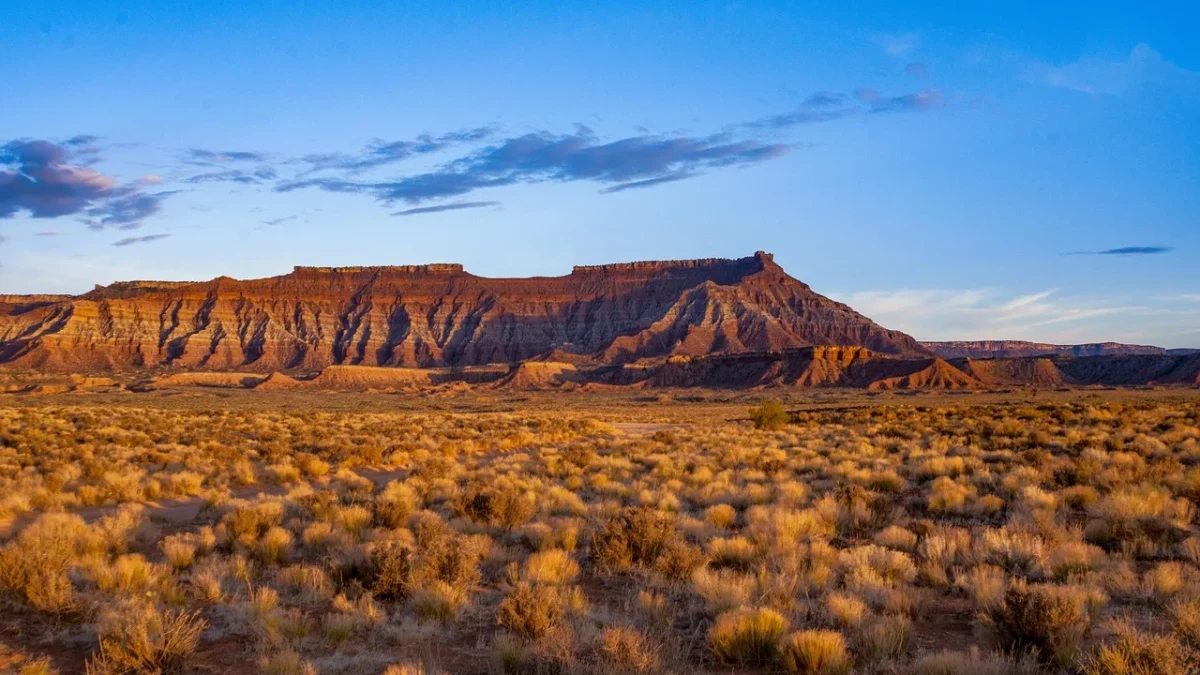
| Desert natives | Agave, saguaro, ocotillo, prickly pear | Deep soak every 2-3 weeks |
| Low-water shrubs | Salvia, Texas ranger, desert marigold | Once or twice a week |
| Young trees and accents | Desert willow, palo verde (first 2 years) | 2-3 times a week while establishing |
| Thirstier color spots | Lantana, container annuals | Every 1-2 days in summer heat |
You may only have two or three of these buckets. That is fine. The number of buckets is the number of circuits you are planning for.
Good to know
Even the toughest desert plant needs regular water for its first year or two while roots spread out. Put new plantings on their own establishing circuit, then move them to the low-water zone once they settle in.
Step two: check your water pressure and valves
Drip runs happiest at low pressure, roughly 15-30 psi (pounds per square inch, a measure of water force). Most house spigots deliver 40-80 psi, which will blow emitters right off the line.
So every circuit needs a pressure regulator, a small brass or plastic fitting that knocks pressure down to a set number like 25 psi. Add a filter too, since even a little grit clogs 1/4 inch emitters fast.
If you want separate days per zone, each circuit needs its own valve running to its own timer station. A simple battery hose-end timer with two or four outlets, around 30 to 60 dollars, handles a small front yard without any trenching for wiring.
Watch out
A mistake I see constantly: one regulator feeding several zones through a manifold, but the homeowner counts on it to protect lines that branch before the regulator. Put the regulator and filter downstream of the valve, on each circuit, so every line actually sees the reduced pressure.
Step three: size your tubing and map the runs
Two tubing sizes cover almost everything. Use 1/2 inch poly tubing as your mainline, the backbone that carries water from the valve out into each planting group. Then tap off it with 1/4 inch feeder tubing, thin spaghetti line that runs the last foot or two to each plant.
Keep any single 1/2 inch run under about 200 feet so pressure stays even end to end. Loop the mainline through each zone, then branch 1/4 inch line to individual emitters.
Sketch it. A rough overhead drawing of your beds, with a colored line for each circuit, saves a lot of guessing at the hardware store.
Pick emitters to match plant size
Emitters are the little drippers that meter water out, rated in gallons per hour (gph). Bigger plant, bigger or more emitters.
- Small shrubs and perennials: one 1 gph emitter each
- Medium shrubs: two 1 gph emitters on opposite sides of the root ball
- Young trees: three or four 2 gph emitters spread around the drip line of the canopy
- Agave and cactus: one 1 gph emitter, run rarely but long
The vegetable-garden version of this same math is worth a look if you also grow food out front. The way you cluster emitters for fruiting plants like in this guide on drip irrigation for cucumbers and squash translates neatly to ornamental shrubs of a similar size.
Step four: the pre-install checklist
Run through this before you buy parts. If you can check every box, your install day will be calm.
- Every plant is assigned to a water-need group, and each group is one circuit.
- Each circuit has a valve or timer station of its own so days and run times can differ.
- Each circuit has a pressure regulator (target 25 psi) and a filter downstream of the valve.
- Mainline is 1/2 inch, kept under 200 feet per run; feeders are 1/4 inch.
- Emitter gph is matched to each plant’s size, and you have counted total emitters per circuit.
- You have a simple map showing each colored circuit and where it starts and ends.
Quick tip
Add one spare tee fitting and a couple feet of extra 1/4 inch line per zone to your shopping list. You will add a plant sooner than you think, and tapping a live line is far easier than re-cutting it.
A quick scenario to tie it together
Say you have three agaves, a bed of salvia and Texas ranger, and a young desert willow. That is three groups, so three circuits.
Circuit one, the agaves: one 1 gph emitter each, run 90 minutes once every two weeks. Circuit two, the shrubs: one emitter each, run 30 minutes twice a week. Circuit three, the willow: four 2 gph emitters, run 40 minutes three times a week until it is established.
Same yard, same afternoon of work, but now nobody drowns and nobody goes crispy.
Where to go from here
Once your circuits are zoned, the fun part is fine-tuning run times as the seasons shift. Watch the plants, dig a finger into the soil a few inches down, and adjust minutes before you adjust days.
If you grow edibles alongside your ornamentals, the same circuit-per-group thinking carries straight over to the vegetable bed. Thirsty crops like these want their own line and schedule, whether that is a row of peppers with careful timing and amounts or a patch of leafy greens on a gentle, frequent drip. For emitter spacing and psi specifics, the EPA WaterSense program is a solid, plain-English reference, as is your local University of Arizona Cooperative Extension office for plant-specific water needs in your climate.
Frequently asked questions
How many drip circuits does a typical front yard need?
Most front yards need two to four circuits. Count how many distinct water-need groups you have, such as desert natives, low-water shrubs, and establishing trees. Each group that wants a different watering day gets its own circuit.
Can I just use different emitter sizes instead of separate circuits?
Different emitter sizes let you vary the amount of water on one line, but not the days. If your agave wants water every two weeks and your salvia wants it twice a week, no emitter swap fixes that. Separate circuits give you control over both amount and frequency.
What pressure should a drip system run at?
Drip works best at about 15-30 psi. Since most home spigots push 40-80 psi, you need a pressure regulator on each circuit, usually set around 25 psi. Running too high pops emitters off the line and causes leaks at fittings.
What tubing sizes do I need for a front yard drip install?
Two sizes cover almost everything. Use 1/2 inch poly tubing as the mainline that carries water from the valve into each bed, and 1/4 inch feeder line for the short runs to individual plants. Keep each 1/2 inch run under about 200 feet so pressure stays even.
How long should I run each circuit?
It depends on the plants and emitter output. As a starting point, desert natives take a long soak (around 90 minutes) every two to three weeks, low-water shrubs get 30 minutes once or twice a week, and young trees get 40 minutes a few times a week. Check soil moisture a few inches down and adjust from there.
Do drought-tolerant plants really need drip at all?
Established desert plants need very little, but new plantings need regular water for the first year or two while roots spread. A drip circuit set to run occasionally makes establishment far more reliable than hand watering, and you can taper it off once the plant settles in.