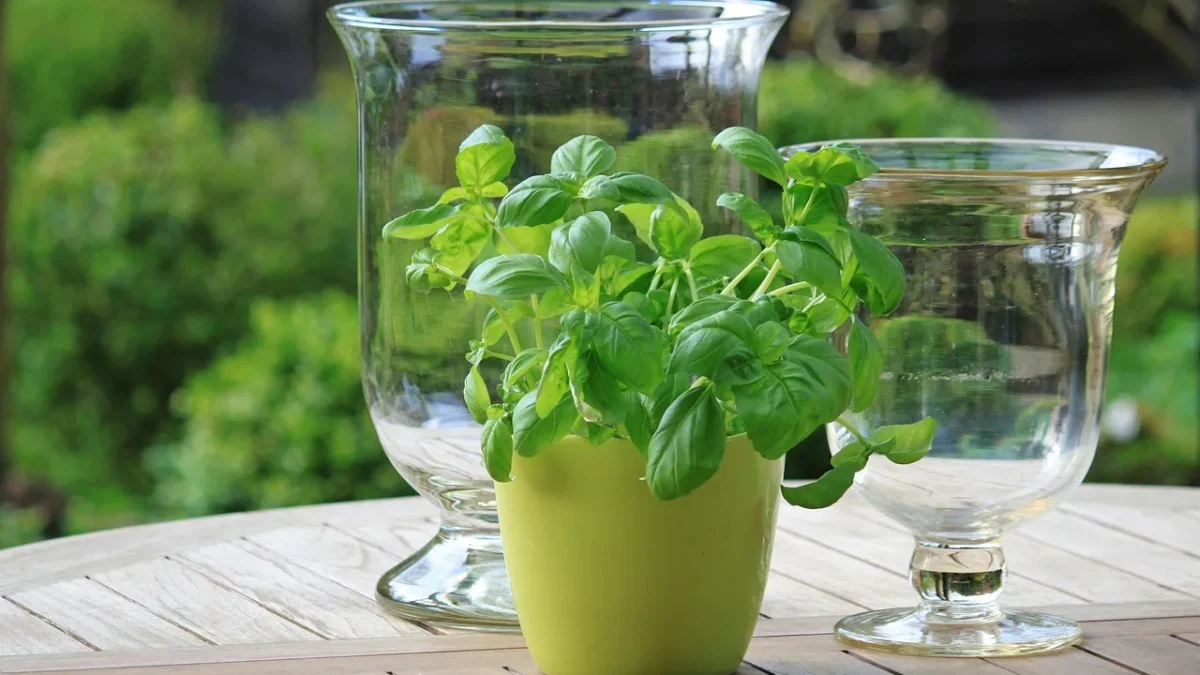
Picture a small herb bed where basil sits three feet from rosemary. The basil is wilting by noon, so you turn up the water. Two weeks later the rosemary roots are rotting because it never wanted that much to begin with. I have pulled up more than a few soggy rosemary plants in Tucson backyards, and the owner is always surprised the culprit was kindness.
The fix is not a fancier timer. It is treating one bed as two. Drip watering herbs works best when you stop asking every plant to share the same schedule and instead build a thirsty zone and a drought-tolerant zone on the same line.
That sounds like more work than it is. With about $30 of parts and an afternoon, you can run both zones off a single faucet and never wilt a basil leaf or drown a sage again.
Key takeaways
- Split herbs into a thirsty zone (basil, cilantro, parsley, mint) and a dry zone (rosemary, thyme, sage, oregano).
- Give thirsty herbs 1 gallon per hour emitters and dry herbs 0.5 gallon per hour, or fewer emitters per plant.
- A single timer plus one shutoff valve on the dry zone lets you skip waterings for the tough plants.
- Most home drip runs best at 10-15 psi, so a pressure regulator is not optional.
Why one schedule fails an herb bed
Herbs are not one crowd. Some evolved in wet Mediterranean springs and some cling to dry rocky hillsides. Basil, cilantro, parsley, and mint are the thirsty crowd. Rosemary, thyme, sage, oregano, and lavender are the ones that would rather stay a little dry.
When you water them the same, one group always loses. Turn the water up for basil and the rosemary sulks. Turn it down for rosemary and the cilantro bolts to seed in a week.
Grouping plants by how much they drink is the same idea behind sorting container plants by water need, just applied to a bed instead of pots. Once you see herbs in two camps, the schedule almost writes itself.
Good to know
Gallons per hour, usually written GPH, is simply how much water an emitter drips in one hour. A 1 GPH emitter running 20 minutes puts out about a third of a gallon. Emitters are the little plastic buttons that meter water onto each plant.
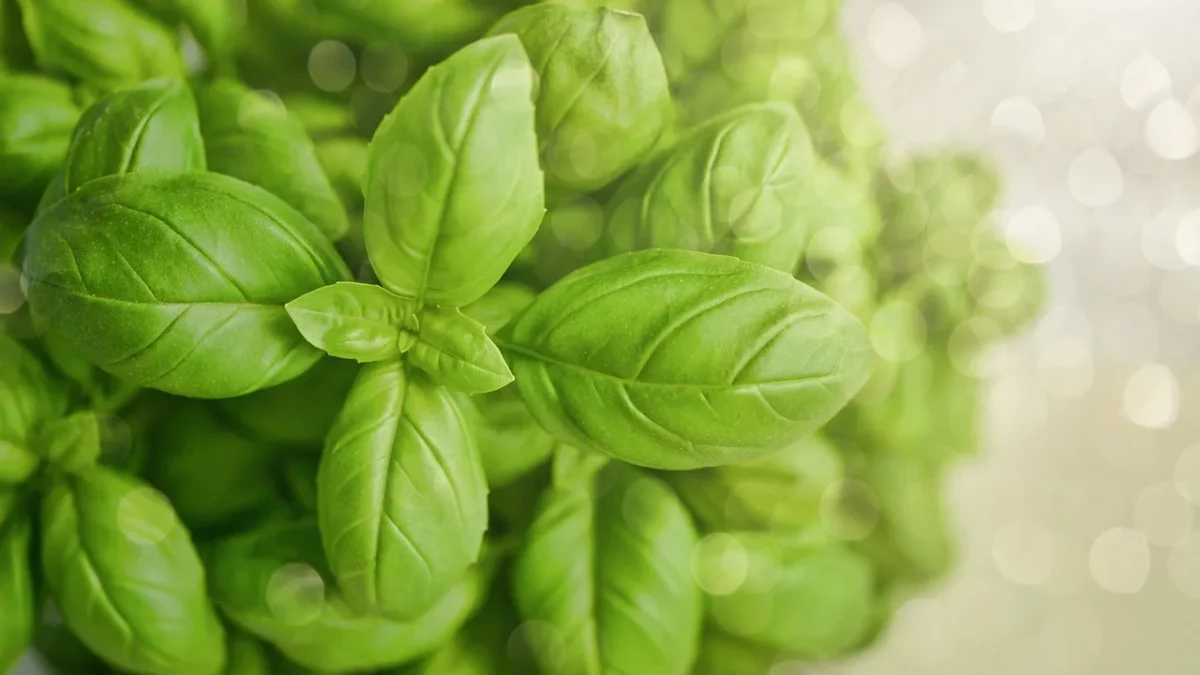
Draw the line between your two zones
Before you buy anything, walk the bed and sort. Put the thirsty herbs together on one end and the tough ones on the other. If your plants are already scattered, this is a good weekend to move a few so the zones stay tidy.
Keeping like with like is the whole trick. The same logic runs through a good drip watering schedule organized by plant type, where you match run times to what each plant actually wants.
Here is roughly how I sort a mixed kitchen herb bed.
| Thirsty zone | Drought-tolerant zone |
|---|---|
| Basil | Rosemary |
| Cilantro | Thyme |
| Parsley | Sage |
| Mint (contain it) | Oregano |
| Chives | Lavender |
The parts you need
You do not need much. A 1/2 inch main line (that is the thick black poly tubing that carries the bulk of the water) runs the length of the bed. Off that, you branch 1/4 inch tubing (the skinny line) to each plant.
Here is my shopping list for a small two-zone bed.
- 1/2 inch mainline tubing, about $15 for 50 feet
- A pressure regulator rated for 25 psi, around $8
- 1 GPH emitters for the thirsty zone
- 0.5 GPH emitters for the dry zone
- One inline shutoff valve for the dry zone branch, about $4
- A basic battery hose timer, $25 to $40
Watch out
Skip the pressure regulator and you will regret it. Home faucets often push 40-60 psi, and drip emitters are built for 10-15 psi. Too much pressure blows emitters off the line and sends 1/4 inch tubing flying across the yard. I have chased a lot of loose tubing because of a missing $8 part.
Build both zones on one line
The layout is simpler than it sounds. Your mainline runs down the bed. Both zones tap the same mainline, but the dry zone gets a shutoff valve where its branch begins, so you can close it independently.
- Connect the timer to the faucet, then screw the pressure regulator onto the timer.
- Run the 1/2 inch mainline from the regulator down the center of the bed.
- At the thirsty end, punch in 1/4 inch tubing to each plant and cap it with a 1 GPH emitter. Basil and cilantro like two emitters each if the plant is bushy.
- At the dry end, add the inline shutoff valve first, then run 1/4 inch tubing with a single 0.5 GPH emitter per plant.
- Flush the whole line with the end caps off for 30 seconds, then cap the ends.
Now one timer waters everything, but the shutoff valve lets you starve the dry zone anytime the soil there is still damp. That single valve is what makes basil and rosemary coexist.
Schedules that actually work
Start with the thirsty zone and let it set your base run time. In mild spring weather I run 1 GPH emitters for about 20 minutes, three times a week. In Tucson summer that jumps to daily, sometimes twice.
The dry zone rides the same timer but drinks far less because its emitters are half the flow and you close its valve on off days. A good starting point for rosemary and thyme is one 20 minute cycle a week, maybe two in peak heat.
Check by finger, not by calendar. Push a finger two inches into the soil near a basil plant. If it comes up dry, add a day. Near the rosemary, if it feels damp two inches down, skip it and close the valve.
Quick tip
Water early, around 5 or 6 a.m. The soil takes it up before the sun bakes it off, and the foliage dries fast, which keeps fungus off crowded basil. A cheap battery timer handles this while you sleep.
A quick scenario. Last June a client had basil going crispy and rosemary going black on the same four foot bed. We split it, dropped the rosemary side to a 0.5 GPH emitter with a closed valve most of the week, and bumped the basil side to daily. Ten days later both looked like magazine plants, off one $30 kit.
Common slip-ups
A mistake I see constantly is people burying emitters under mulch and then wondering why a plant died. You cannot see a clog if the emitter is hidden. Keep emitters sitting on top of the soil where a monthly glance tells you they are still dripping.
The other one is overplanting the thirsty zone. Cram ten basil starts onto one 1 GPH line and the far end barely drips. Space plants so every emitter gets its share, the same way layout matters when you plan a raised bed drip system with even coverage.
If you ever expand into vegetables next to your herbs, the zone thinking scales up nicely. Heavy feeders like tomatoes want their own generous line, which I cover in the guide on watering tomatoes with drip irrigation.
Where to go from here
Once your two zones are running, spend a few weeks just watching. Adjust run times by feel, not fear, and let the drought-tolerant herbs dry out between drinks the way they prefer.
For emitter flow ratings and pressure guidance, the manufacturer specs at DripWorks are solid, and the EPA WaterSense watering tips are worth a read for timing. For plant-specific water needs, your local university extension service, like the University of Arizona Cooperative Extension, knows your climate better than any national chart. Split the bed, close the valve when the tough plants are happy, and both crops thrive.
Frequently asked questions
Can basil and rosemary really share one drip line?
Yes, as long as you split the line into two zones. Run basil on 1 gallon per hour emitters and rosemary on 0.5 gallon per hour emitters, and add a shutoff valve on the rosemary branch. That way one timer waters both, but you close the valve so the rosemary drinks far less.
How often should I water herbs with drip irrigation?
Thirsty herbs like basil and cilantro usually want water three times a week in mild weather and daily in summer heat, about 20 minutes per cycle. Drought-tolerant herbs like rosemary and thyme often need only one cycle a week. Check the soil two inches down with a finger and adjust from there.
Do I need a pressure regulator for a small herb bed?
Yes. Home faucets often run 40 to 60 psi, but drip emitters are designed for 10 to 15 psi. Without a regulator, the extra pressure pops emitters off and blows apart your tubing. A 25 psi regulator costs about $8 and saves a lot of frustration.
What size tubing should I use for herbs?
Use 1/2 inch mainline tubing to carry water down the length of the bed, then branch skinny 1/4 inch tubing to each individual plant. The 1/2 inch line handles volume while the 1/4 inch line delivers water right to each herb. A 50 foot roll of mainline runs about $15.
Why is my rosemary dying even though I water it?
Rosemary usually dies from too much water, not too little. It evolved on dry hillsides and hates soggy roots. If it shares a line with thirsty herbs, it is almost certainly getting overwatered. Move it to its own low-flow zone and let the soil dry out between waterings.
When is the best time of day to run the drip timer?
Early morning, around 5 or 6 a.m., is best. The soil absorbs water before the sun evaporates it, and the foliage dries quickly, which prevents fungus on crowded plants like basil. A cheap battery hose timer runs the cycle while you are still asleep.