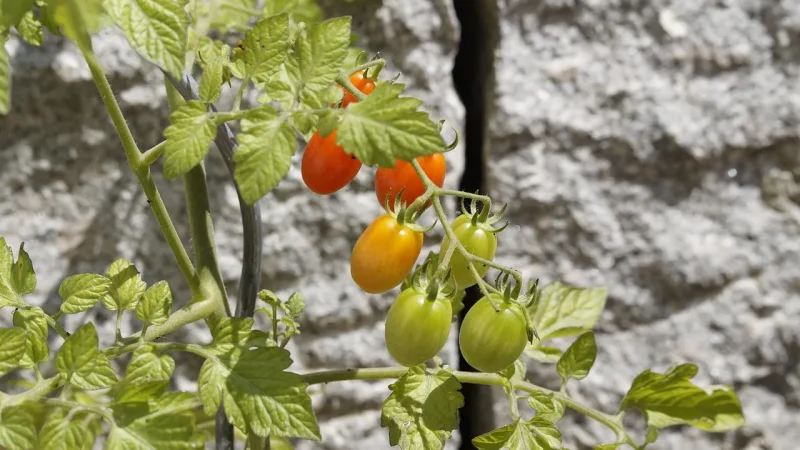
Last spring a client called me convinced her drip timer had “cooked” her tomatoes. The leaves were curling, the fruit was splitting, and she wanted the whole system ripped out.
I opened her controller and found the real story: she had it running four times a day for three minutes each. The timer was doing exactly what she told it to. She just told it the wrong thing.
That visit is the reason I wanted to write this. Most watering timer myths aren’t about broken hardware at all. They’re about beliefs we repeat until they feel like facts, and then we blame the little battery box on the faucet.
Let me walk you through the ones I hear most, and what the roots actually want instead.
Key takeaways
- Short daily sprinkles train shallow roots. Deep, less frequent soaks build drought-tough plants.
- A properly set timer waters more consistently than any human ever will, including you.
- Runtime should match your emitter flow (gph) and soil type, not a round number that feels tidy.
Myth 1: Watering a little bit every day is best
This is the big one, and it’s the exact mistake my tomato client made. The logic sounds reasonable: plants get thirsty daily, so feed them daily.
Here’s the problem. A quick three-minute burst only wets the top inch or two of soil. Roots follow water, so they stay shallow and lazy near the surface where the sun bakes them hardest.
Deep, infrequent watering pulls roots down. When you soak the soil to 8-10 inches and then let the top dry out, roots chase that moisture and build a stronger anchor.
For most established shrubs on drip, I aim for two or three soakings a week in summer, not seven. A rosemary or a young desert willow does far better with a long drink every few days than a daily splash.
Quick tip
Push a screwdriver into the soil an hour after watering. If it slides in easily to 6 inches, you watered deep enough. If it stops at 2 inches, your run time is too short.
Myth 2: Timers ruin plants
I hear this from folks who once set a timer, forgot about it, and came home to a drowned flowerbed or a crispy one. The timer got the blame. The forgotten settings did the damage.
A timer is just a valve that opens and closes on schedule. It has no opinion about your plants. Set it thoughtfully and it will out-water any human, because it never skips a day due to a busy week or a vacation.
The real skill is dialing in the schedule once and adjusting it a few times a year. If you’re new to this, my step-by-step on automating drip watering with a timer walks through the first setup so you don’t inherit someone else’s bad defaults.
When I first started installing these, I over-watered plenty myself. The fix was never a fancier timer. It was learning to match the run time to the soil.
Myth 3: More zones just make things complicated
Plenty of people run their whole yard on one timer and one line. Then they wonder why the cactus rots while the vegetable bed wilts.
Different plants want different water. Splitting your yard into zones lets you give the veggies a daily drink while the natives get a soak once a week. It’s not more complicated once it’s built, it’s more forgiving.
If you’re outgrowing a single line, my guide on setting up a multi-zone drip timer covers manifolds and how to keep pressure steady across zones.
Good to know
Home drip systems usually run best at 15-30 psi. Most municipal water arrives at 40-80 psi, so a pressure regulator (about 8 to 15 dollars) protects your 1/4 inch and 1/2 inch tubing from blowing off the fittings.
Myth 4: You can set the same run time as your neighbor
Two houses on the same street can need wildly different schedules. Your neighbor might have clay soil that holds water for days. You might have sandy soil that drains in an hour.
Run time depends on three things: your emitter flow rate, your soil, and your plants. A 1 gph (gallon per hour) emitter delivers water slowly, so it needs a longer run than a 2 gph emitter to move the same volume.
Here’s a rough starting guide for established plants in summer heat. Adjust from there based on that screwdriver test.
| Soil type | Watering frequency | Run time (1-2 gph emitters) |
|---|---|---|
| Sandy (drains fast) | 3 times a week | 45-60 minutes |
| Loam (balanced) | 2 times a week | 60-90 minutes |
| Clay (holds water) | 1-2 times a week | 90 minutes, split into two cycles |
Clay is the sneaky one. It can’t absorb water fast, so a single long run just puddles and runs off. Splitting one 90-minute run into two 45-minute cycles an hour apart lets it soak in.
Myth 5: A rain sensor means you never touch the timer
Rain sensors and smart controllers are genuinely useful. They can skip a cycle when a storm rolls through, and the EPA’s WaterSense watering tips back up how much water that saves.
But they’re helpers, not autopilot. A sensor doesn’t know your soil dried out three days after that light drizzle, and it can’t tell that your new transplants need extra care for their first month.
Check your system with your own eyes every couple of weeks in the growing season. Look for dry spots, clogged emitters, and cracked tubing.
Watch out
A common failure I find on service calls is a dead timer battery mid-summer. The controller looks fine but never opens the valve, and plants slowly fry. If you’re not sure how to keep yours reliable, read up on battery care for drip timers before the heat hits.
Myth 6: Timers are only a warm-weather concern
People stash the timer thought away once fall arrives, and that’s how I end up replacing cracked units every spring. A timer full of water that freezes will split its housing.
Even here in Tucson we get freezing nights, and colder climates get it far worse. Draining and storing the unit takes ten minutes and saves you a 30 dollar replacement.
If you’re heading into a cold season, my checklist for winterizing a hose timer covers pulling the battery and clearing the water so nothing cracks.
A quick reality check before you adjust anything
Before you touch a single setting, run through this. It saves a lot of guessing.
- Confirm your emitter flow rate (printed on the emitter or the box, usually 0.5, 1, or 2 gph).
- Do the screwdriver test an hour after a normal cycle to see how deep water reaches.
- Check that a pressure regulator is installed and your psi sits in the 15-30 range.
- Water early morning, before 8 a.m., so less evaporates and leaves dry before night.
- Adjust the schedule seasonally, roughly four times a year, instead of setting it once and forgetting.
That morning watering point matters more than people expect. Wet leaves overnight invite fungus, and midday watering can lose a third of your water to evaporation in dry heat.
Where to go from here
None of this requires expensive gear. It requires matching your run time to your soil and your emitters, then checking in a couple times a month.
Pick one myth from this list that sounds like your setup and fix that first. My money’s on the daily short-cycle habit, because that’s the one I meet most.
Get the schedule right once, keep the battery fresh, and drain it before winter. Your timer will quietly do its job for years, and your plants will send their roots down deep where they belong.
Frequently asked questions
How long should my drip timer run each cycle?
It depends on your emitter flow and soil, not a round number. For 1-2 gph emitters, sandy soil often needs 45-60 minutes while clay needs about 90 minutes split into two cycles. Use the screwdriver test an hour after watering: if it slides to 6 inches easily, your run time is right.
Is it bad to water my plants every day with a timer?
For most established plants, yes. Daily short cycles keep water in the top inch or two, which trains shallow, heat-vulnerable roots. Two or three deep soakings a week pull roots down and build tougher, more drought-resistant plants.
Do watering timers actually harm plants?
No. A timer is just a valve that opens and closes on schedule and has no effect on plant health by itself. Problems come from wrong settings or a forgotten schedule, not the device. Set it to match your soil and it waters more consistently than you can by hand.
What psi should a home drip system run at?
Most home drip systems work best between 15 and 30 psi. City water usually arrives at 40-80 psi, which is high enough to blow tubing off fittings. Install a pressure regulator (roughly 8 to 15 dollars) between the timer and your line to protect 1/4 inch and 1/2 inch tubing.
Can I skip checking my system if I have a rain sensor?
Not entirely. Rain sensors can skip a cycle during a storm, which saves water, but they can't see dry spots, clogged emitters, or new transplants that need extra attention. Walk your system every couple of weeks during the growing season and watch the timer battery.
Why does my clay soil puddle when the timer runs?
Clay absorbs water slowly, so a single long run pools on the surface and runs off before it can soak in. Split one long cycle into two shorter ones an hour apart, for example two 45-minute runs instead of one 90-minute run. That gives the soil time to drink between cycles.