Last spring a neighbor showed me his cart at the hardware store: two bags of assorted emitters, a random coil of tubing, a filter he grabbed off an endcap, and a pile of fittings he was pretty sure he needed. He had spent about ninety dollars and had no idea if any of it worked together. That is the trap. Drip parts are cheap on their own, but buying blind means overbuying, and the drip emitter cost is only one slice of the total.
So let me walk you through what each piece actually runs, in real dollars, so you can budget before you swipe a card.
Key takeaways
- Emitters are the cheapest part: roughly 20 to 60 cents each, so the count matters more than the price per piece.
- Tubing and a pressure regulator usually cost more than the emitters for a small garden.
- A filter and a backflow preventer are not optional, and skipping them costs more later in clogs and repairs.
- For a typical 15-plant raised bed, expect a total hardware budget of about 50 to 90 dollars.
What a single drip emitter actually costs
An emitter is the little plastic device that meters water out drop by drop, measured in gallons per hour (GPH). Most home-garden emitters run 0.5, 1, or 2 GPH.
Button emitters, the small ones you punch into 1/4 inch tubing, cost about 20 to 40 cents each in bulk bags of 25 or 50. Pressure-compensating versions, which give the same flow whether the plant sits at the start of the line or the far end, run closer to 40 to 60 cents. That extra dime or two is worth it on any run longer than 20 feet or on a slope.
If you are unsure which flow rate to buy, my guide on drip emitter types and flow rates explained breaks down where each GPH belongs. And to match emitters to specific plants, how to choose emitter GPH for your plants saves you from guessing.
Quick tip
Buy one flow rate for most of your garden and only mix in a second for outliers. Standardizing on 1 GPH keeps your math simple and your spare-parts drawer sane.
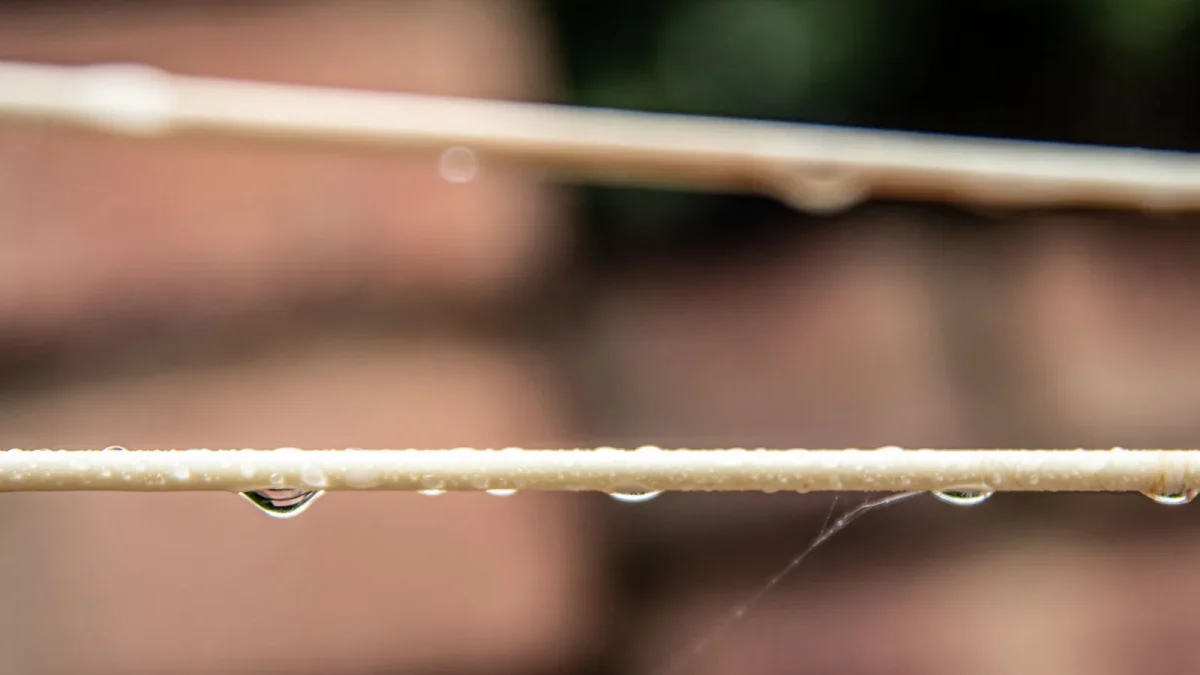
Inline versus button: a small price gap
Inline emitters are built into the tubing at set spacing, usually every 6, 12, or 18 inches. You buy them by the roll, not the piece, which changes the budget picture. A 100-foot roll of 1/2 inch inline drip tubing runs about 25 to 40 dollars.
Button emitters give you control over exact placement, which is why I still use them around individual shrubs and pots. Inline tubing wins for rows: lettuce, carrots, a strip of zinnias. If you are torn, my comparison of inline versus button emitters and which to pick lays out the tradeoffs by garden type.
Tubing costs: the part people underestimate
Here is where budgets slip. You need two sizes. The 1/2 inch mainline (sometimes called supply tubing) carries water from the faucet down your rows. The 1/4 inch micro-tubing branches off to individual plants.
Plain 1/2 inch tubing, no emitters built in, costs about 15 to 30 cents per foot, so a 100-foot roll lands around 20 to 30 dollars. The 1/4 inch tubing is cheaper, roughly 5 to 10 cents per foot, and a 50-foot coil runs 5 to 8 dollars.
A mistake I see constantly: people buy only 1/4 inch tubing because it looks like “drip tubing” and try to run a whole garden on it. It cannot carry enough water past about 15 to 20 feet, and the far plants starve. Use 1/2 inch for the backbone every time.
Watch out
Measure your longest run and add 20 percent before buying tubing. Coming up 6 feet short means a second trip and often a second whole roll, since stores rarely sell tubing by the foot.
Filters, regulators, and the parts you cannot skip
Drip emitters have tiny openings, some no wider than a pencil lead. Grit from your water line will plug them. A basic mesh or screen filter (look for 150 to 200 mesh) costs about 8 to 15 dollars and protects the whole system.
You also need a pressure regulator. Most household water runs 40 to 80 psi (pounds per square inch), but drip systems want a gentle 10 to 25 psi. Too much pressure and emitters pop off or split. A preset regulator, usually rated at 25 psi, costs about 8 to 12 dollars.
Then there is the backflow preventer, which stops garden water from being siphoned back toward your drinking supply. Some municipalities require one. Budget 8 to 15 dollars. The EPA’s WaterSense program is a good plain-language resource on efficient, safe outdoor watering if you want to read more.
Good to know
Many people buy a single faucet manifold that combines the backflow preventer, filter, and pressure regulator in one screw-on unit for about 20 to 30 dollars. It costs a touch more than buying separately but saves fittings and threading headaches.
Fittings: cheap pieces that add up
Fittings are the connectors: tees, elbows, couplings, end caps, and the goof plugs you use to seal a hole you punched in the wrong spot. Individually they cost 20 to 75 cents. You will not need many for a small bed, maybe 8 to 12 pieces, so figure 5 to 10 dollars.
Do not forget a hole punch tool (about 5 dollars) for inserting button emitters and 1/4 inch barbs into 1/2 inch tubing. Using a nail or screwdriver instead makes ragged holes that leak, and I have watched more than one garden fail over exactly that shortcut.
A real example: pricing out one raised bed
Say you have a 4-by-8 raised bed with 15 tomato and pepper plants, plus a border of marigolds. Here is a realistic parts list and cost.
| Part | Quantity | Rough cost |
|---|---|---|
| Pressure-compensating emitters (1 GPH) | 18 (with spares) | $8 to $10 |
| 1/2 inch mainline tubing | 50 ft roll | $15 |
| 1/4 inch micro-tubing | 50 ft coil | $6 |
| Screen filter | 1 | $10 |
| 25 psi pressure regulator | 1 | $10 |
| Backflow preventer | 1 | $10 |
| Fittings and end caps | ~10 | $8 |
| Hole punch tool | 1 | $5 |
That comes to roughly 72 to 74 dollars, and the tool and leftover tubing carry over to your next project. Notice the emitters are the smallest line item. The hardware around them is what fills the cart.
A quick pre-shopping checklist
Before you leave the house, run through this so you buy once instead of twice.
- Count your plants and pick one main GPH (usually 1 GPH).
- Measure your longest run and add 20 percent for the mainline.
- Confirm you have a filter, a regulator, and a backflow preventer.
- Grab a hole punch and a handful of goof plugs for mistakes.
- Buy 15 to 20 percent extra emitters and fittings as spares.
If you are watering wider beds or ground cover rather than individual plants, the cost math shifts toward spray heads, and my piece on micro-sprays and micro-sprinklers compared covers those numbers. For general spec confidence, the manufacturer pages at Rain Bird list flow and pressure ratings you can trust.
Where to go from here
Start with the frame parts, the filter, regulator, and backflow preventer, then build outward with tubing and emitters. Buy your emitters last, once you know your plant count and spacing, because that keeps the cheapest part from driving the whole plan.
Keep your receipt and your leftover fittings in one labeled bag. Next season, expanding the bed will cost you a few dollars in emitters instead of another full trip to the store.
Frequently asked questions
How much do drip emitters cost each?
Basic button emitters run about 20 to 40 cents each in bulk bags of 25 or 50. Pressure-compensating emitters, which hold steady flow on long runs and slopes, cost closer to 40 to 60 cents. Buying in bulk always lowers the per-piece price.
What is the total cost to set up drip for one raised bed?
For a typical 4-by-8 bed with about 15 plants, expect roughly 50 to 90 dollars in hardware. The emitters are a small part of that; tubing, the filter, regulator, and backflow preventer make up most of the total. Tools like a hole punch carry over to future projects.
Do I really need a filter and pressure regulator?
Yes. A filter (150 to 200 mesh) keeps grit from clogging the tiny emitter openings, and a regulator drops your household 40 to 80 psi down to the 10 to 25 psi drip systems need. Skipping either leads to clogs, split tubing, or popped emitters that cost more to fix than the parts cost to buy.
Is inline tubing cheaper than buying button emitters?
It depends on layout. Inline tubing with built-in emitters costs about 25 to 40 dollars for 100 feet and saves labor on straight rows. Button emitters cost a bit less in parts but take time to punch in, and they shine when you need exact placement around individual plants or pots.
How much tubing should I buy?
Measure your longest run and add about 20 percent for turns and slack. Use 1/2 inch tubing for the main supply line and 1/4 inch for branches to plants. Stores rarely sell tubing by the foot, so buying a little extra is cheaper than a second trip for a full roll.
What are goof plugs and do I need them?
Goof plugs are tiny plugs that seal a hole you punched in the wrong spot in your tubing. They cost pennies each and save you from replacing a whole section over one mistake. Buy a small pack anytime you are punching holes for emitters.