Last spring a neighbor called me over because her tomatoes were dropping blossoms while her rosemary two feet away was drowning. Same drip line, same emitters, wildly different results. The problem was not her water. It was that she had run one flow rate past two plants that want completely different things.
That single fix, matching emitters per plant type, is the difference between a garden that thrives on autopilot and one that keeps you guessing. An emitter is just the little plastic device that meters water out of your tubing, one slow drip at a time. The trick is that a barrel cactus and a fig tree are not the same customer, and they should not get the same emitter.
So let me walk you through it the way I would if we were standing in your yard together.
Key takeaways
- Low-water plants like succulents want a single 0.5-1 gph emitter and long dry gaps between runs.
- Vegetables and annuals do best with 1-2 gph emitters spaced close, often several per bed foot.
- Trees and large shrubs need multiple emitters in a ring around the drip line, not one at the trunk.
- Pressure-compensating emitters keep flow even across a long or sloped run.
Why one flow rate never fits everything
Flow rate is measured in gallons per hour, or gph, and it tells you how fast a single emitter releases water. Most home emitters run between 0.5 and 4 gph. That range sounds small until you realize a 2 gph emitter puts out four times the water of a 0.5 gph one over the same timer setting.
A mistake I see constantly is folks buying a bag of one emitter, usually 1 gph, and dotting it everywhere. It kind of works, which is why it survives. But the cactus gets soggy roots and the squash never gets enough, and you end up hand watering anyway.
If you want the full breakdown of how emitter styles differ, I go deep on that in our guide to drip emitter types and flow rates. Here I want to stay focused on the pairing.
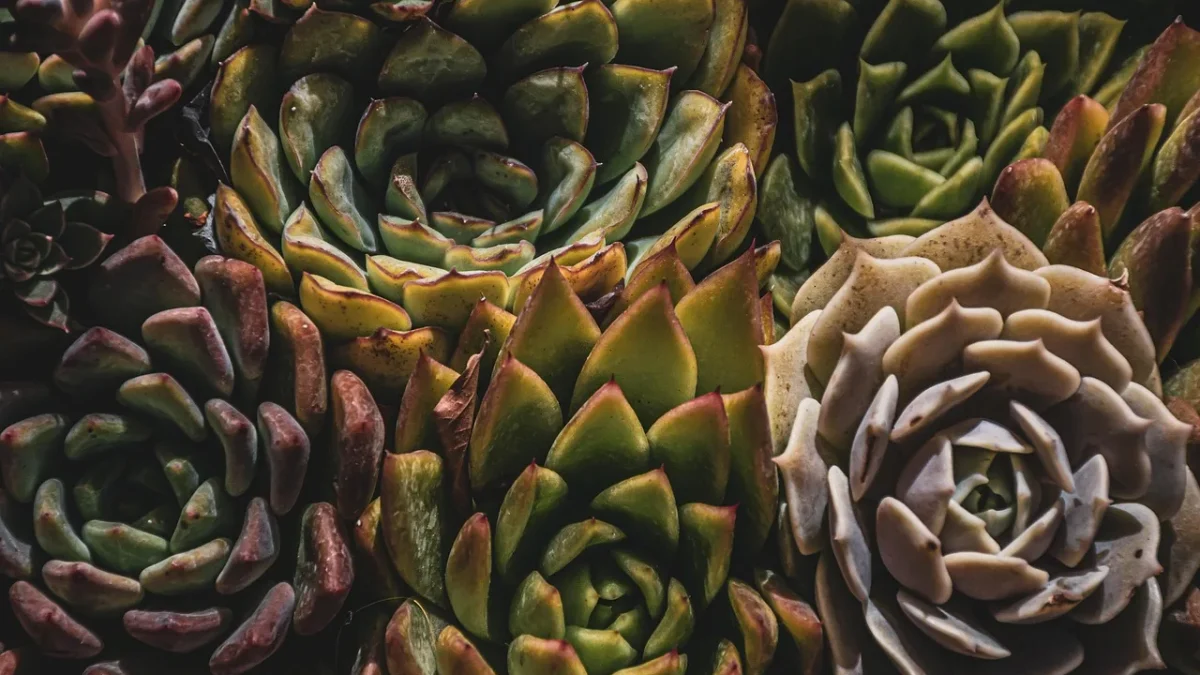
Succulents, cacti, and desert natives
These plants store water and hate wet feet. Here in Tucson I water my agave and prickly pear maybe once every week or two in summer, and almost never in winter.
Give each plant one 0.5 gph emitter, or a 1 gph if the plant is large. Place it about 6 inches out from the base, not right against the crown, so the stem stays dry. The goal is a deep, infrequent soak that mimics a real desert rain.
Watch out
Never crowd emitters around a succulent to “help it along.” Constant moisture at the base is the fastest way to rot a barrel cactus or aloe. Fewer emitters and longer gaps beat more water every time.
Vegetables and annual flowers
This is the hungry, thirsty crowd. Tomatoes, peppers, squash, zinnias, basil: shallow roots, fast growth, and no patience for dry spells.
I like 1 gph emitters spaced every 6 to 12 inches along a raised bed, or inline drip tubing that has emitters built in at set intervals. For a heavy feeder like a tomato, two emitters per plant is reasonable so the whole root zone stays evenly moist. Aim to keep the top 6 to 8 inches of soil damp but never swampy.
Run times here are short and frequent, maybe 20-40 minutes several times a week in heat. If your water is hard or you pull from a well, put a screen in front of these tight emitters so they do not clog. Our notes on choosing a filter and mesh size cover exactly which screen to grab.
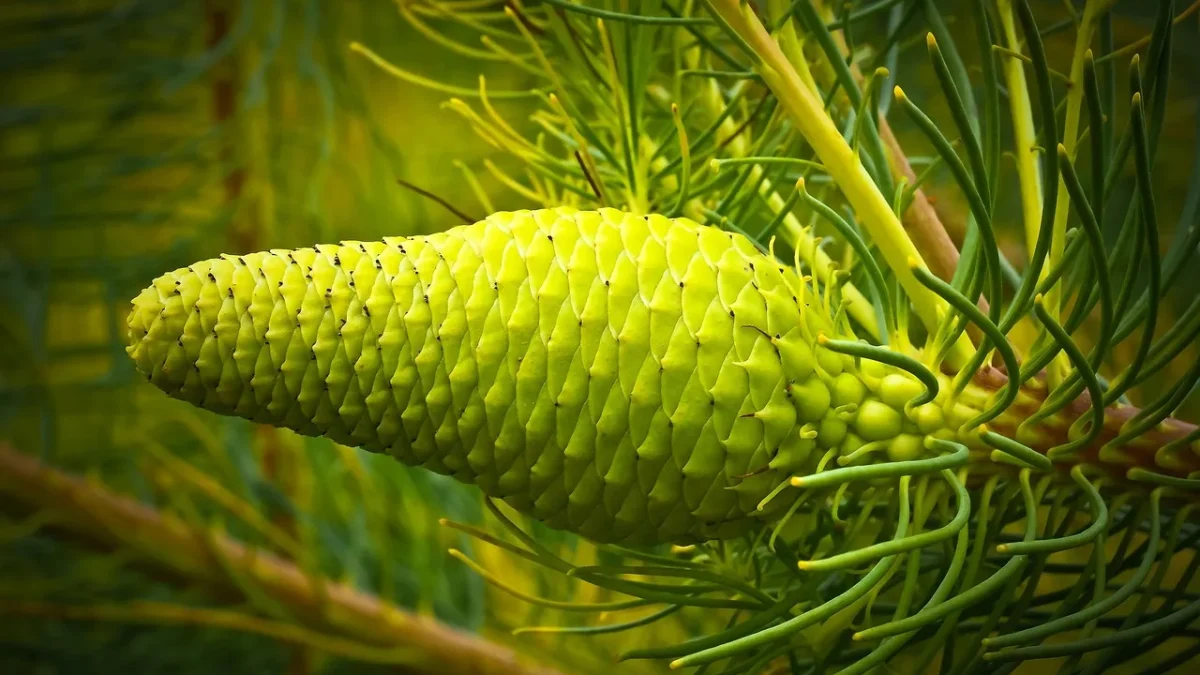
Shrubs and perennials
Think lavender, sage, roses, boxwood, ornamental grasses. Deeper roots than veggies, but they still like steady moisture while establishing.
One or two 1-2 gph emitters per shrub usually does it, placed a hand span out from the stem. As the plant grows, move the emitters outward so water lands where the active feeder roots are, near the outer edge of the leaf canopy.
Quick tip
The active roots that drink live near the drip line, the imaginary circle under the outer edge of the leaves. Water there, not at the trunk, and your shrubs will root wider and stand up better to wind and drought.
Trees and large woody plants
A single emitter at the trunk of a citrus or oak is one of the saddest things I find on a repair call. That tree needs a ring.
Set 3 to 6 emitters at 2 gph in a circle around the tree, out at the drip line, and add more as the canopy widens each year. A young fruit tree might start with four emitters and grow to eight or more. This spreads the soak so roots reach out in every direction instead of balling up at the base.
Trees drink slowly and deeply, so run these zones long: an hour or two, once or twice a week, adjusted for your soil and season.
A quick pairing chart
| Plant type | Emitter flow | Emitters per plant | Placement |
|---|---|---|---|
| Succulents and cacti | 0.5-1 gph | 1 | 6 inches from base |
| Vegetables and annuals | 1 gph | 1-2 (or inline tubing) | Every 6-12 inches |
| Shrubs and perennials | 1-2 gph | 1-2 | Near canopy edge |
| Trees and large shrubs | 2 gph | 3-6 and up | Ring at drip line |
| Container plants | 0.5-1 gph | 1 per pot | Center of pot |
Containers and hanging baskets
Pots dry out fast because they are exposed on all sides. But they are small, so the water has nowhere to go if you overdo it.
Run a length of 1/4 inch tubing off your 1/2 inch main line to each pot, and put one 0.5-1 gph emitter in each. A quick daily pulse in summer, maybe 5-10 minutes, usually keeps a medium pot happy. Big planters may want two emitters on opposite sides.
Getting even flow across the whole system
Here is where beginners get tripped up. If your yard slopes or your run is long, plain emitters at the far end or the low end put out more water than the ones up top. Physics, not your fault.
Pressure-compensating emitters, often stamped PC, fix this by holding a steady output across a range of pressures. Most home drip likes to run around 15-30 psi, and if your house pressure is higher, which it usually is, you will need a regulator to bring it down. I explain sizing and placement in our rundown on pressure regulators for drip systems.
Good to know
The EPA notes that efficient drip irrigation can cut outdoor water use meaningfully compared to sprinklers, because water goes to the root zone instead of the air. Matching emitters to plants is a big part of capturing that savings.
Putting a mixed bed together
Say you have a bed with tomatoes, a rosemary, and a young lemon tree, the exact mix that stumped my neighbor. Do not fight it with one emitter. Instead, run 1 gph emitters along the tomatoes, drop a single 1 gph on the rosemary set well back from the stem, and ring the lemon with four 2 gph emitters.
Then group plants with similar thirst on the same valve or timer zone when you can, so the run time actually fits them. When you branch off to reach each plant, a handful of tees and couplers makes it tidy. Our guide to drip fittings and connectors shows which pieces snap where.
A basic emitter runs about 25 to 75 cents each, so building the right mix for a small bed usually costs a few dollars, not a fortune.
A simple field checklist
- Group plants by water need before you lay tubing.
- Match flow: low for succulents, mid for veggies and shrubs, multiple emitters for trees.
- Keep emitters off the trunk or crown of any plant.
- Use pressure-compensating emitters on slopes or long runs.
- Add a filter ahead of tight, low-flow emitters.
Where to go from here
Start by walking your yard and sorting plants into three buckets: sip, drink, and gulp. Once you see those groups, the emitter choices almost make themselves, and you can stop babying the timer.
Get the pairing right and your system does the boring daily work while you enjoy the garden. That is the whole point of drip, and it is very much within reach for a first-timer. For deeper technical detail, the University of Arizona Cooperative Extension and EPA WaterSense both publish solid, region-aware watering guidance worth a bookmark.
Frequently asked questions
How many emitters does one plant need?
It depends on size and thirst. A small succulent or annual is happy with one emitter, a shrub often wants one or two, and a tree needs three to six or more arranged in a ring at the drip line. Larger canopies simply need more emitters spread around them so the whole root zone gets water.
What flow rate is best for a mixed vegetable and flower bed?
For most veggies and annuals, 1 gph emitters spaced every 6 to 12 inches work well, or inline drip tubing with built-in emitters. Heavy feeders like tomatoes benefit from two emitters each. Keep the top several inches of soil evenly moist with short, frequent runs.
Can I put different emitter flow rates on the same drip line?
Yes, and you often should. You can place a 0.5 gph emitter on a succulent and a 2 gph emitter on a nearby shrub off the same tubing. Just remember the timer runs the whole zone for one length of time, so try to group plants with similar water needs on the same valve when possible.
Why are my emitters clogging?
Clogging usually comes from sediment or mineral buildup, especially with low-flow emitters that have tiny openings. A filter with the right mesh size ahead of your emitters catches most grit. Hard water can also leave scale, so flushing the lines a couple of times a season helps a lot.
Should the emitter go right at the base of the plant?
No, keep it a little away from the trunk or crown. For succulents place it about 6 inches out, and for shrubs and trees aim for the drip line under the outer edge of the leaves. That is where the active feeder roots live, and keeping the base dry prevents rot.
What psi should a home drip system run at?
Most drip emitters are designed for roughly 15 to 30 psi. Household water pressure is often much higher, so a pressure regulator is usually needed to bring it down. Pressure-compensating emitters also help keep output steady across a long or sloped run.